
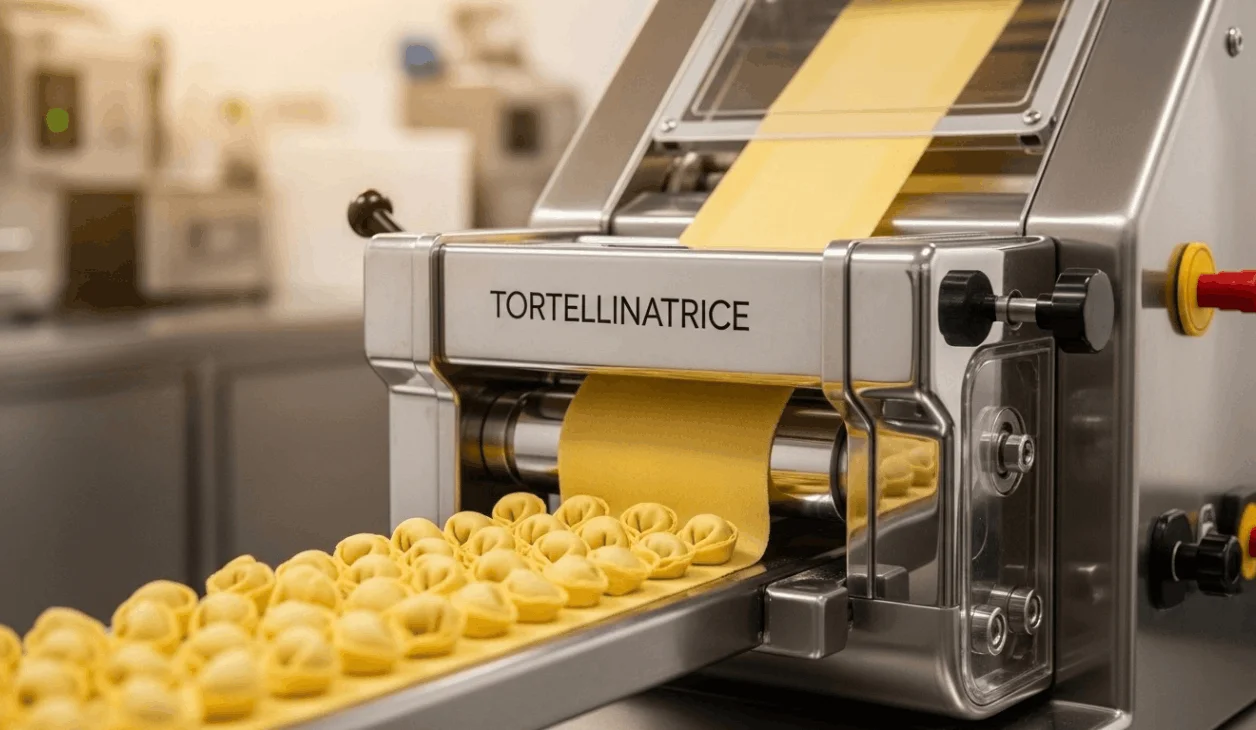
Tortellinatrice: A Complete Guide to the Machine That Perfects Italian Pasta
Italian cuisine is famous worldwide for its rich flavors, traditional techniques, and iconic pasta dishes. Among these beloved creations, tortellini stands out as a delicate, ring-shaped pasta traditionally filled with meat, cheese, or vegetables. However, making tortellini by hand requires skill, patience, and time. This is where a tortellinatrice becomes an essential tool for both professional chefs and food manufacturers.
A tortellinatrice is a specialized machine designed to automate the production of tortellini. It simplifies the pasta-making process while maintaining the authentic shape and quality that Italian cuisine is known for. As pasta production grows in restaurants and food factories, the demand for efficient machines like the tortellinatrice continues to increase.
Understanding the Tortellinatrice
The tortellinatrice is a pasta-forming machine specifically built to produce tortellini quickly and consistently. Traditionally, tortellini are handmade by rolling dough, cutting small squares, adding filling, and folding them into their signature ring shape. While this method is beautiful and authentic, it can be slow and labor-intensive.
With a tortellinatrice, the process becomes automated. The machine rolls the dough, adds filling, folds the pasta, and shapes it into tortellini within seconds. As a result, businesses can produce large quantities without sacrificing quality.
Furthermore, modern machines are designed with precision engineering. They ensure that each tortellini piece has the correct size, shape, and filling ratio. This level of consistency is particularly important for commercial kitchens and food production facilities.
How a Tortellinatrice Works
Although designs may vary, most machines follow a similar process. First, pasta dough is prepared and fed into the machine. At the same time, the filling mixture—often made from meat, cheese, or vegetables—is placed into a separate compartment.
Next, the tortellinatrice rolls the dough into thin sheets. After that, it cuts the dough into small sections and deposits the filling automatically. Then the machine folds the dough around the filling and shapes it into the classic tortellini ring.
Finally, the finished pasta pieces are released from the machine and ready for cooking or packaging. Because the process is automated, thousands of pieces can be produced in a short period of time.
Benefits of Using a Tortellinatrice
Using a tortellinatrice offers several advantages, especially for businesses that produce pasta regularly. One of the main benefits is increased efficiency. Instead of relying on manual labor, the machine can produce large volumes of tortellini quickly.
Another advantage is consistency. When tortellini are made by hand, the size and shape may vary. However, a tortellinatrice ensures uniformity in every batch. This consistency improves presentation and customer satisfaction.
Additionally, the machine reduces labor costs. Fewer workers are required to produce the same amount of pasta. As a result, restaurants and food companies can improve productivity while maintaining high standards.
Moreover, modern machines are built with stainless steel components, making them hygienic and easy to clean. This is especially important for maintaining food safety in commercial kitchens.
Types of Tortellinatrice Machines
There are several types of tortellinatrice machines available, depending on the scale of production and business needs.
Manual Models
Manual machines are often used in small restaurants or artisan pasta shops. They require some operator involvement but still speed up the shaping process compared to handmade methods.
Semi-Automatic Machines
Semi-automatic models combine manual preparation with automated shaping. They are suitable for medium-sized businesses that want improved productivity without investing in fully industrial equipment.
Fully Automatic Machines
Large food manufacturers typically use fully automated machines. These advanced systems can produce thousands of tortellini per hour with minimal human intervention. As a result, they are ideal for mass production.
Key Features to Look for in a Tortellinatrice
When choosing a tortellinatrice, several features should be considered. First, production capacity is important. Businesses must select a machine that matches their daily output requirements.
Second, the quality of materials matters. Machines made from stainless steel are more durable and hygienic, which is crucial for food preparation.
Another important factor is adjustability. Some machines allow users to change the size of the tortellini or the amount of filling. This flexibility makes it possible to produce different pasta varieties using the same machine.
Additionally, ease of maintenance should not be overlooked. A machine that can be easily cleaned and serviced will save time and prevent operational problems.
Where Tortellinatrice Machines Are Used
The tortellinatrice is widely used across the food industry. Italian restaurants frequently rely on these machines to prepare fresh pasta quickly during busy hours.
Similarly, pasta factories use industrial machines to produce packaged tortellini sold in supermarkets worldwide. These large-scale operations depend heavily on automation to maintain consistent quality and meet high demand.
Furthermore, culinary schools and training centers sometimes use a tortellinatrice to demonstrate modern pasta-making techniques. This allows students to understand both traditional and modern production methods.
The Role of Technology in Modern Pasta Production
Technology has transformed the way pasta is produced. In the past, pasta making relied almost entirely on manual labor and traditional craftsmanship. Today, machines like the tortellinatrice combine tradition with innovation.
Advanced models include programmable settings, digital controls, and safety mechanisms. These features improve accuracy, reduce waste, and increase efficiency.
At the same time, many chefs still value the authentic taste and texture of traditional pasta. Therefore, modern machines are designed to replicate handmade quality as closely as possible.
Conclusion
The tortellinatrice plays an important role in modern pasta production. By automating the process of shaping and filling tortellini, this machine saves time, improves consistency, and increases efficiency. Whether used in small restaurants or large manufacturing facilities, it allows businesses to produce high-quality pasta on a larger scale.
Moreover, the evolution of pasta machines reflects the broader trend of combining tradition with modern technology. While handmade pasta will always hold cultural value, tools like the tortellinatrice make it possible to share authentic Italian flavors with people around the world.
As the demand for fresh pasta continues to grow, the tortellinatrice will remain an essential piece of equipment in kitchens and food production facilities everywhere.