Gening: Understanding the Modern Concept and Its Growing Relevance
Introduction
In today’s rapidly evolving digital world, gening has emerged as a concept that is gaining attention across multiple fields. At its core, gening represents a dynamic approach to creativity, innovation, and structured development of ideas. As industries continue to evolve, gening is becoming a key term associated with transformation and forward-thinking strategies.
Moreover, gening is not limited to a single discipline; instead, it spans across technology, education, and even personal productivity. As a result, individuals and organizations are increasingly exploring how gening can help them stay competitive. Interestingly, the rise of this concept shows how modern systems are shifting toward more adaptive and intelligent frameworks. Consequently, understanding gening becomes essential for anyone who wants to stay aligned with current trends.
What is Gening?
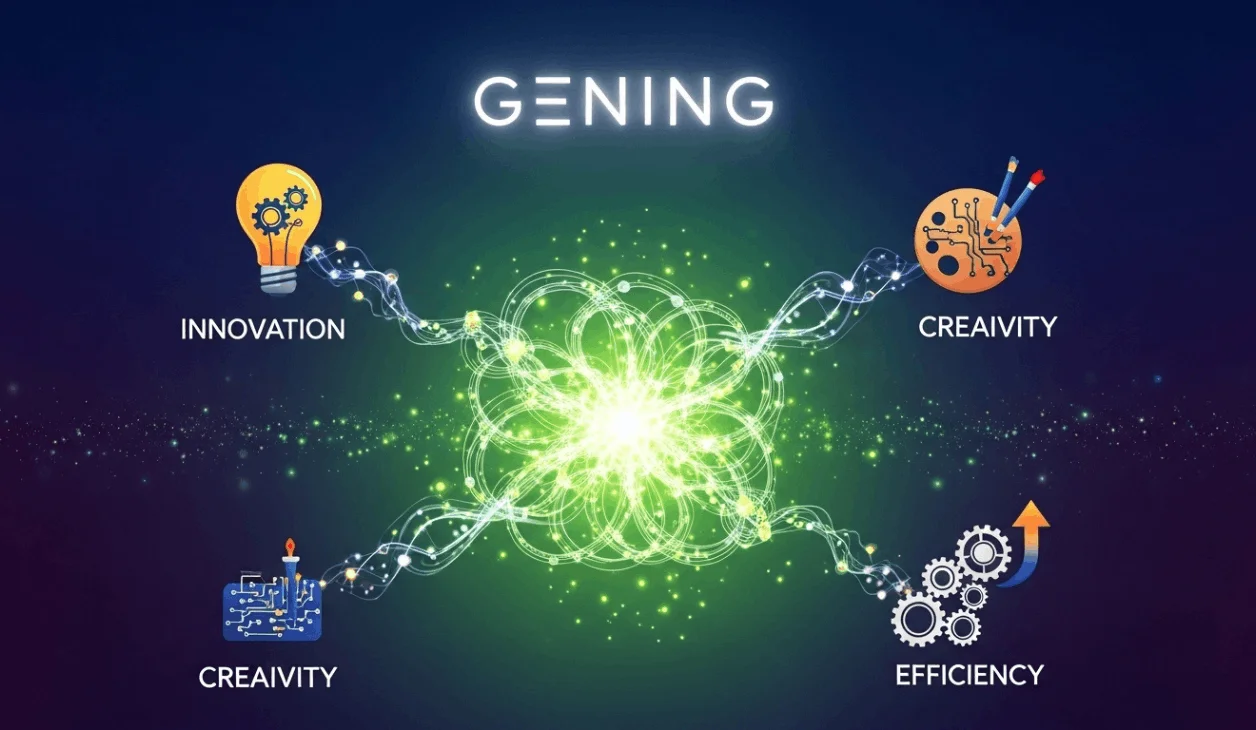
To understand its depth, it is important to define what gening truly means. Essentially, gening refers to the process of generating, structuring, and refining ideas or systems in a way that enhances output and efficiency. Unlike traditional methods, Innovation focuses on continuous improvement and adaptability.
In simple terms, Innovation is about creating smarter solutions rather than just faster ones. Furthermore, it emphasizes the importance of combining creativity with logical planning. Because of this balanced approach, Innovation is often associated with innovation-driven environments where change is constant and necessary.
Additionally, gening encourages iterative development, meaning ideas are not fixed but constantly evolving. This flexibility makes it highly valuable in modern workflows where uncertainty and rapid change are common.
Importance of Gening in Modern Systems
The importance of gening cannot be overstated in today’s interconnected world. First and foremost, Innovation helps streamline complex processes by breaking them into manageable components. This makes it easier for individuals and teams to focus on productivity without losing clarity.
Furthermore, Innovation plays a significant role in enhancing decision-making. Since it promotes structured thinking, it allows better evaluation of alternatives before reaching a conclusion. As a result, organizations that adopt Innovation often experience improved efficiency and reduced errors.
In addition, gening supports innovation by encouraging experimentation. Instead of relying on rigid frameworks, it promotes flexibility, which often leads to creative breakthroughs. Therefore, it has become a cornerstone in fields that depend heavily on innovation, such as software development, design, and research.
Applications of Gening in Real Life
The practical applications of gening are vast and diverse. In the technology sector, Innovation is used to design systems that can adapt to user behavior and environmental changes. For example, software development teams apply Innovation principles to improve iterative testing and continuous deployment.
Similarly, in education, Innovation helps create adaptive learning systems that cater to individual student needs. By analyzing performance patterns, educators can refine teaching methods to achieve better outcomes. Consequently, learning becomes more personalized and effective.
Moreover, Innovation is also widely used in business strategy. Companies use it to refine marketing campaigns, improve product design, and enhance customer experience. Because of its flexible nature, Innovation allows businesses to respond quickly to market changes and consumer demands.
Even in personal development, gening plays a role by helping individuals structure their goals and track progress effectively. As a result, it becomes easier to maintain consistency and achieve long-term success.
Benefits of Gening
One of the major advantages of gening is its ability to improve efficiency. By focusing on structured processes, Innovation reduces unnecessary effort and ensures that resources are used effectively. This leads to higher productivity in both individual and organizational contexts.
Another key benefit is enhanced creativity. Since Innovation encourages experimentation, it allows individuals to explore new ideas without fear of failure. Over time, this leads to more innovative solutions and better outcomes.
Additionally, gening improves adaptability. In a world where change is constant, the ability to adjust quickly is crucial. Innovation provides a framework that supports flexibility, making it easier to respond to new challenges.
Finally, gening fosters collaboration. Because it often involves iterative feedback and continuous improvement, it naturally encourages teamwork and communication among participants.
Challenges Associated with Gening
Despite its many advantages, gening also comes with certain challenges. One of the main difficulties is the need for consistent evaluation and adjustment. Since Innovation relies on continuous improvement, it can sometimes become time-consuming if not managed properly.
Furthermore, implementing Innovation effectively requires a clear understanding of processes and objectives. Without proper guidance, there is a risk of confusion or misalignment within teams. Therefore, training and experience play a crucial role in successful implementation.
Another challenge is balancing flexibility with structure. While Innovation encourages adaptability, too much flexibility can lead to lack of direction. As a result, finding the right balance becomes essential for achieving optimal results.
Future of Gening
Looking ahead, the future of gening appears highly promising. As technology continues to advance, Innovation is expected to become even more integrated into digital systems and automated processes. This will likely lead to smarter tools that can self-optimize based on user behavior and environmental inputs.
Moreover, the increasing demand for efficiency and innovation will further drive the adoption of Innovation across industries. From artificial intelligence to business analytics, its influence is expected to grow significantly.
In addition, gening may evolve into more specialized forms, tailored to specific industries and applications. This specialization will enhance its effectiveness and make it an even more powerful tool for problem-solving and innovation.
Conclusion
In conclusion, gening represents a powerful and evolving concept that is reshaping how we approach creativity, efficiency, and innovation. Through its structured yet flexible approach, Innovation enables individuals and organizations to adapt to changing environments while maintaining productivity.
As we move further into a technology-driven era, the relevance of Innovation will only continue to increase. Therefore, understanding and applying gening effectively can provide a significant advantage in both professional and personal growth. Ultimately, gening stands as a symbol of modern adaptability and intelligent progress.