
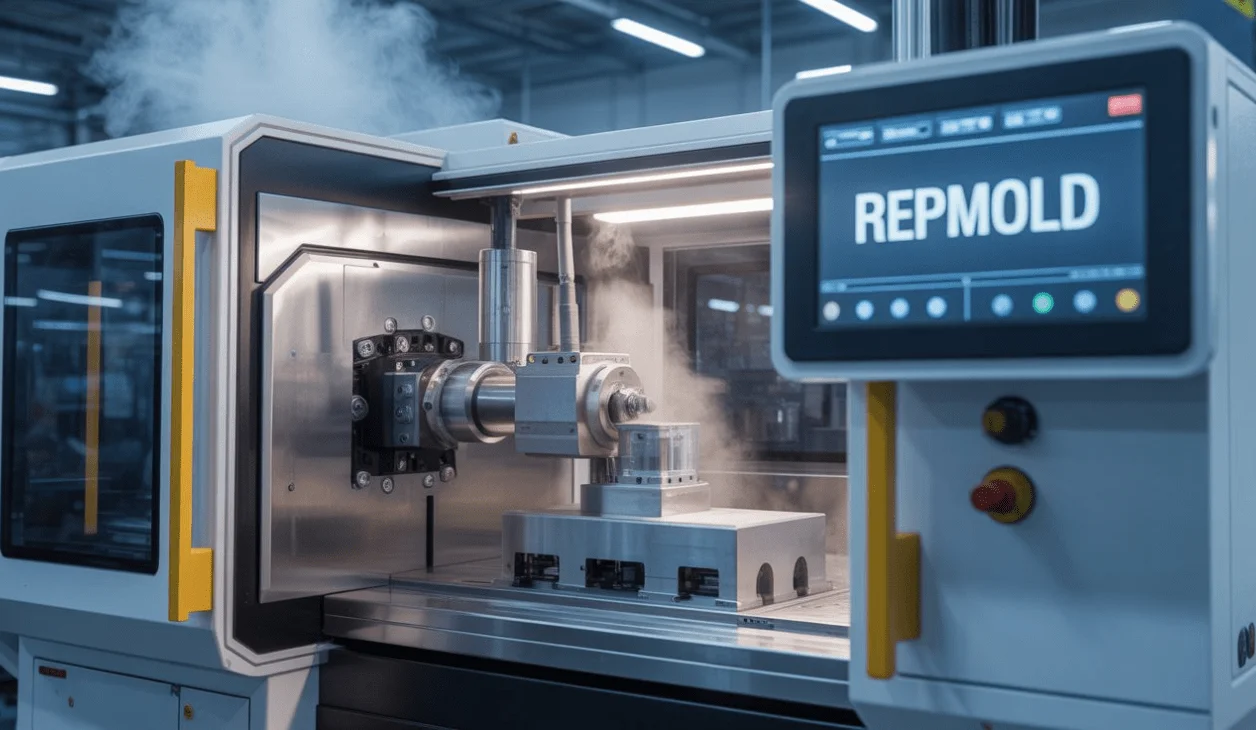
Repmold: A New Paradigm in Mold Making
In modern manufacturing, speed, precision, and cost-efficiency often determine success. That is why repmold has emerged as a powerful solution. It bridges the gap between rapid prototyping and traditional mold-making. At its core, this method emphasizes repeatability, adaptability, and efficiency. Instead of relying on rigid, time-consuming tooling, it enables manufacturers to produce accurate molds quickly. This is achieved using digital design, advanced materials, and flexible mold systems.
Unlike conventional molding techniques that can take weeks or months, this approach dramatically reduces the timeframe. Companies can go from concept to prototype or from prototype to production-ready parts much faster. This is particularly important in industries where speed to market can define success. Moreover, early testing of product designs becomes much easier.
Additionally, by adopting this modern technique, businesses can minimize errors during production. They can test different iterations rapidly and respond more effectively to market trends and customer demands. Repmold also helps standardize quality while maintaining flexibility in design.
How Repmold Works
The process begins with a master design, typically created in a CAD (Computer-Aided Design) program or produced via 3D printing or CNC machining. This master serves as the template for the mold. Instead of crafting a permanent metal mold, materials such as epoxy resin, composites, or lighter alloys are used to form a reusable mold around the master.
Once cured, the mold becomes a negative impression of the master design. It can then be used to produce multiple identical copies. Therefore, this method is ideal for small- to medium-volume runs, prototyping, or limited production without the long lead times or high costs of traditional steel molds.
Because the molds are reusable and adaptable, they enable quick design iterations. If a design needs changes, a new master pattern can be created. Then, a new mold is made, rapidly replacing old tooling. This flexibility supports agile development cycles and reduces waste. Additionally, the ability to make quick changes enhances innovation. Designers can test ideas without committing to expensive permanent tooling. Using repmold ensures that even complex designs can be replicated efficiently.
Key Advantages
This modern molding technique brings several benefits:
- Speed and rapid turnaround: Molds that would take weeks using traditional methods can now be produced in days.
- Cost efficiency: Using less expensive materials and avoiding high-cost tooling significantly reduces upfront investment.
- Design flexibility: By combining digital design and flexible mold systems, frequent updates are possible.
- Precision and repeatability: These molds deliver high accuracy, ensuring each part matches the original master’s quality standards.
- Sustainability: Reducing the need for disposable molds lowers material wastage and supports eco-conscious manufacturing.
- Support for innovation: Designers can experiment with complex geometries, textures, and surface finishes.
- Faster market response: Companies can quickly adapt designs based on customer feedback or market trends, improving competitiveness.
Applications Across Industries
Its flexibility and efficiency make it suitable for many sectors. For example:
- Automotive: Interior panels, body prototypes, or custom components can be produced faster without heavy tooling.
- Consumer Electronics & Gadgets: Designing casings, enclosures, or structural parts becomes easier, allowing quick changes.
- Medical Devices: Custom housings, small-volume components, or prototypes benefit from precision and affordability.
- Aerospace and Advanced Engineering: Lightweight parts, complex geometries, or pilot-run components can be produced rapidly.
- Small batch manufacturing & prototyping labs: Startups or research teams can produce limited runs, test designs, and iterate quickly.
This broad applicability shows why modern mold-making approaches are gaining momentum. Companies of all sizes can adopt faster development cycles without compromising quality.
Limitations of Repmold
No method is perfect. There are trade-offs to consider:
- Durability: Molds made from resin or lighter materials may not withstand extremely high-volume production compared to hardened steel molds.
- Material compatibility: Some high-temperature or high-stress applications may require more robust traditional molds.
- Learning curve: Adopting digital design workflows may require training and initial optimization.
Despite these limitations, the advantages often outweigh the drawbacks. This is especially true for prototyping and small-batch production.
The Future of Repmold
As industries demand faster product cycles, customization, and sustainable practices, this approach is well positioned to meet these needs. By bridging rapid prototyping and mass production, it supports agility without compromising quality.
With improvements in materials science and integration of digital manufacturing technologies, efficiency and precision are expected to increase further. Therefore, this method is promising for small- to mid-volume producers as well as larger manufacturers.
For businesses navigating uncertain markets, this technique offers flexibility, reduced overhead, and a lower barrier to iteration. Consequently, innovation accelerates, and companies can respond to customer demands quickly. They can test new ideas and bring products to market faster than ever before. Additionally, integrating automation and AI-driven design optimization could make this approach even more powerful in the future.
Conclusion
In a world where speed, quality, and sustainability matter, repmold stands out as a modern molding solution. By combining rapid prototyping, digital design, and flexible mold systems, it enables companies to produce precise, repeatable parts faster and more cost-effectively.
While it may not fully replace traditional tooling for large-scale production, it opens a powerful path for prototyping, custom parts, small-batch production, and agile development. For anyone interested in efficient, flexible manufacturing, this method isn’t just an option it might be the future.