Pappedeckel: Uses, Benefits, and Importance in Modern Packaging
In today’s fast-paced world, sustainable and practical materials are becoming more important than ever. One such material that has quietly gained widespread attention is pappedeckel. Although it may seem simple at first glance, this sturdy cardboard material plays a vital role in packaging, construction, crafts, and many industrial applications. As businesses and individuals move toward eco-friendly solutions, understanding the value of this material becomes increasingly essential.
What Is Pappedeckel?
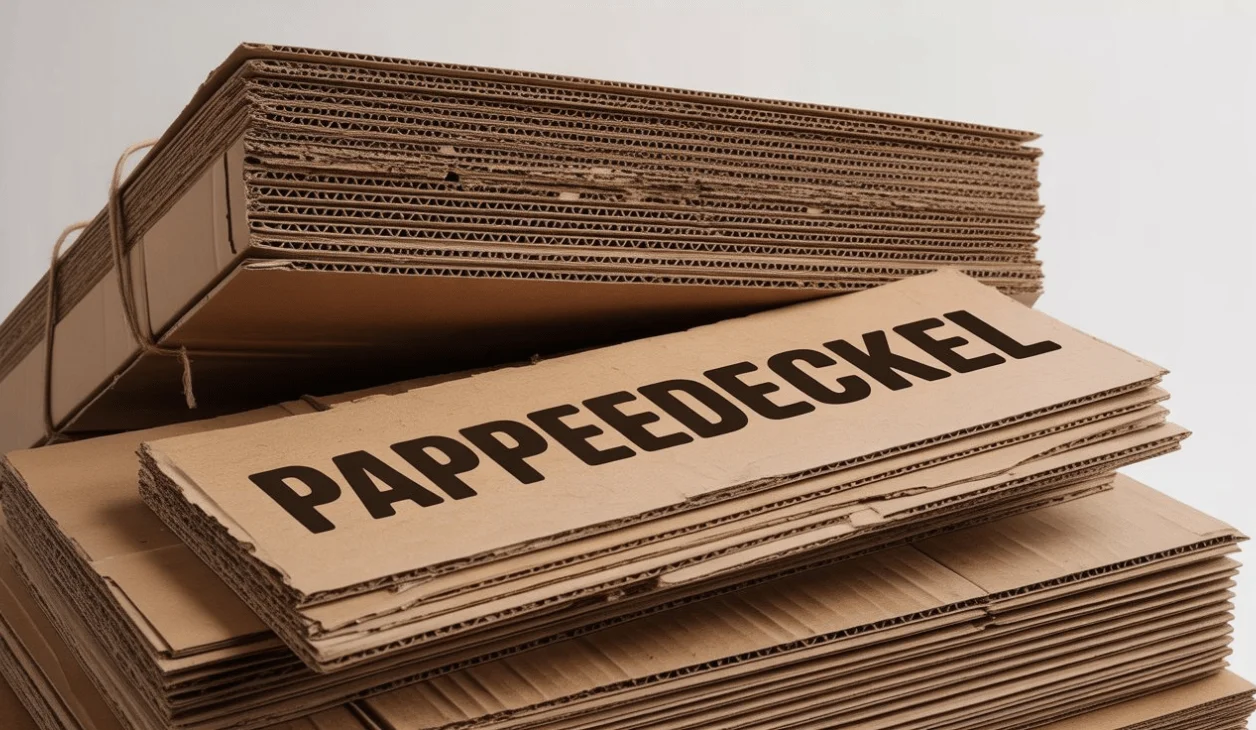
Pappedeckel is a thick, rigid form of cardboard made primarily from compressed paper fibers. Unlike standard paperboard, it offers greater durability and structural strength. Because of this, it is commonly used where stability and protection are required. Moreover, it is recyclable, lightweight, and cost-effective, making it a popular choice across multiple industries.
While many people associate it mainly with packaging, its applications extend far beyond boxes and covers. In fact, it has become a versatile solution for both commercial and creative uses.
Why Pappedeckel Is Widely Used
One major reason for its popularity is its balance between strength and affordability. Compared to plastic or metal alternatives, this material provides sufficient protection without adding unnecessary weight or expense. Additionally, it is easy to cut, shape, and customize, which makes it ideal for tailored solutions.
Furthermore, companies appreciate its ability to protect products during shipping. Because it absorbs shocks and resists bending, it helps prevent damage while goods are in transit. As a result, businesses can reduce losses and improve customer satisfaction.
Environmental Benefits and Sustainability
In recent years, sustainability has become a major concern for consumers and manufacturers alike. Fortunately, pappedeckel aligns well with environmentally responsible practices. Since it is made from paper fibers, it is biodegradable and recyclable. This significantly reduces its environmental impact when compared to non-renewable materials.
Moreover, many manufacturers now produce it using recycled paper, further minimizing waste. As governments and organizations push for greener alternatives, this material continues to gain recognition as an eco-friendly solution.
Applications in Packaging and Shipping
One of the most common uses of pappedeckel is in packaging. It is often used for product backing, box inserts, protective layers, and rigid covers. Because it maintains its shape under pressure, it provides excellent support for fragile items.
Additionally, it is frequently used in retail packaging to enhance product presentation. For example, high-quality packaging often includes rigid cardboard elements to give products a premium feel. Therefore, it not only protects goods but also improves brand perception.
Role in Construction and Industrial Use
Beyond packaging, this material is also used in construction and industrial environments. It serves as a temporary protective layer for floors, walls, and surfaces during renovation projects. Since it is lightweight yet durable, workers can easily install and remove it as needed.
In industrial settings, it is often used as separators, insulation layers, or protective sheets between materials. Consequently, it helps prevent scratches and damage during storage and transportation.
Creative and Educational Uses
Interestingly, pappedeckel has also found a place in creative fields. Artists, designers, and hobbyists frequently use it for model making, bookbinding, and crafts. Because it is easy to cut and glue, it allows for precise designs and durable creations.
Similarly, schools and educational institutions use it for projects and learning materials. It provides a safe and affordable option for hands-on activities, encouraging creativity while remaining practical.
Advantages Over Other Materials
When compared to plastic or thin cardboard, this material offers several advantages. First, it provides better rigidity without being overly heavy. Second, it is more environmentally friendly than plastic alternatives. Third, it is easier to recycle and dispose of responsibly.
In addition, it can be produced in various thicknesses to suit different needs. This flexibility makes it suitable for both light and heavy-duty applications. As a result, many industries prefer it as a reliable all-round material.
Cost-Effectiveness and Availability
Another important factor is cost. Pappedeckel is relatively inexpensive to manufacture, which keeps prices affordable for businesses and consumers. Because it is widely produced, it is also easily available in most markets.
Moreover, its affordability does not compromise quality. Instead, it offers a strong return on investment, especially for companies looking to balance performance with budget constraints.
Future Outlook and Growing Demand
Looking ahead, the demand for sustainable materials is expected to grow. As a result, pappedeckel will likely play an even larger role in packaging and industrial solutions. Innovations in recycling and manufacturing techniques may further enhance its strength and usability.
Additionally, as consumers become more environmentally conscious, businesses will continue to adopt materials that align with green values. Therefore, this sturdy cardboard solution is well positioned for long-term relevance.
Conclusion
In conclusion, pappedeckel is far more than just thick cardboard. Its durability, versatility, affordability, and eco-friendly nature make it an essential material in modern applications. From packaging and construction to creative projects and education, it offers reliable performance across a wide range of uses.
As sustainability continues to shape consumer choices and industrial practices, this material stands out as a practical and responsible option. By understanding its benefits and applications, individuals and businesses alike can make smarter, more sustainable decisions for the future.