Mods Lync Conf for Businesses: Enhancing Collaboration and Control
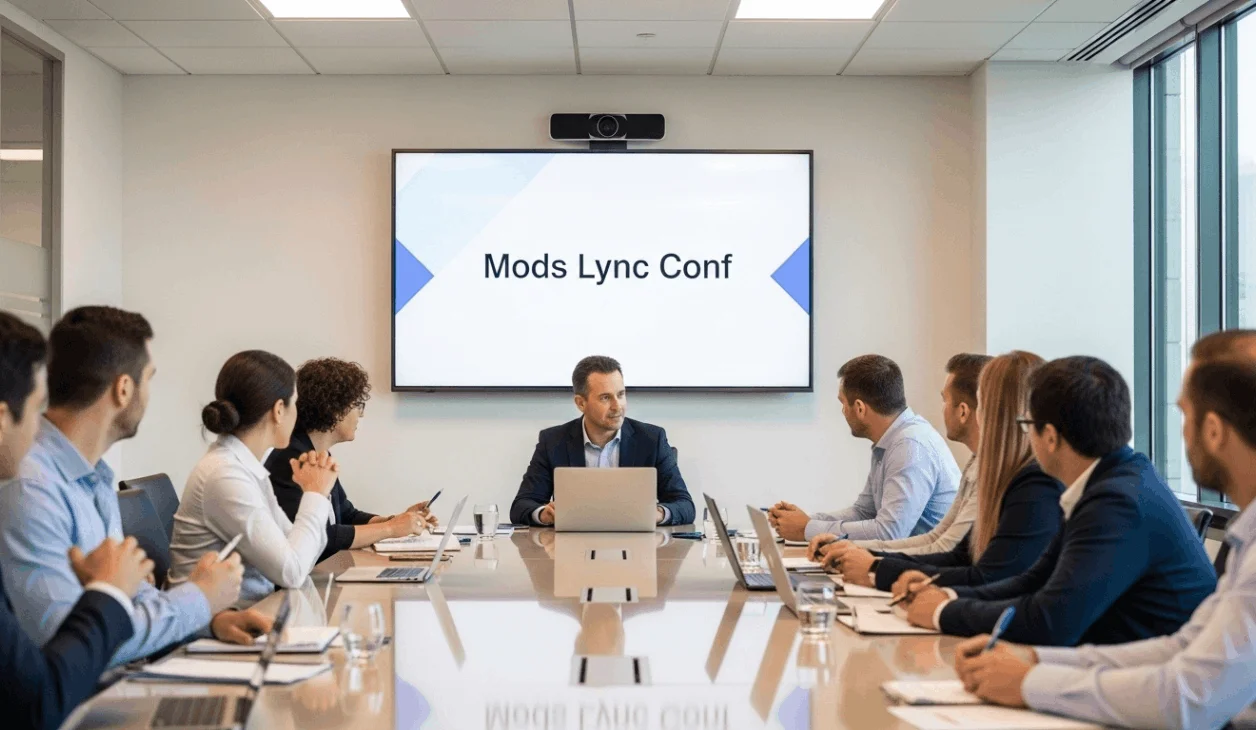
In today’s fast-paced digital workplaces, communication platforms play a vital role in keeping teams connected. Microsoft Lync, widely used for instant messaging, voice, and video meetings, has long been valued for its reliability. However, many organizations want more flexibility and personalization in their conferencing experience. This is where mods lync conf becomes an important topic for IT professionals and advanced users alike.
This guide explains what conference modifications are, why they matter, and how they can significantly improve collaboration without compromising performance or security.
Understanding Lync Conferences and Their Limitations
Lync conferences were designed to provide stable, enterprise-grade communication. By default, they include features such as screen sharing, scheduled meetings, chat, and audio/video calls. While these built-in tools are effective, they may feel restrictive for teams with specialized workflows.
For example, some organizations want better moderation tools, customized meeting layouts, or deeper integration with internal systems. As a result, users often explore modifications to overcome these constraints and tailor the platform to their needs.
What Are Conference Mods in Lync?
Conference modifications refer to configuration changes, extensions, or scripts that enhance or adjust how Lync meetings operate. These changes can range from simple policy tweaks to more advanced integrations with third-party tools.
The idea behind mods lync conf is not to break the platform but to optimize it. By carefully applying modifications, administrators can create a more productive and user-friendly conferencing environment.
Key Benefits of Customizing Lync Conferences
There are several reasons organizations consider modifying Lync conference settings. First, customization improves usability by aligning features with actual team requirements. Second, it boosts productivity by reducing friction during meetings.
Moreover, tailored configurations can enhance security and compliance. Instead of relying solely on default settings, administrators can enforce stricter access controls and meeting policies. Consequently, the conferencing experience becomes both efficient and secure.
Common Types of Lync Conference Modifications
1. Policy-Based Configuration Changes
Lync allows administrators to adjust conferencing policies through its management shell. These changes can limit or enable features such as file sharing, recording, or anonymous access. As a result, meetings can be better controlled.
2. User Interface Enhancements
Some organizations modify layouts or meeting prompts to create a smoother experience. Although UI changes are often subtle, they help users navigate meetings more confidently.
3. Integration with External Tools
Another popular approach is connecting Lync conferences with project management or CRM systems. This ensures meeting data, notes, or attendance records are automatically stored and accessible later.
4. Automation Scripts
Automation can simplify repetitive tasks like scheduling recurring meetings or managing permissions. When done correctly, scripts save time and reduce human error.
Best Practices for Implementing Mods Safely
While modifications can be powerful, they must be implemented carefully. Before applying any changes, testing in a staging environment is essential. This helps identify conflicts or unexpected behavior early.
Additionally, documentation plays a crucial role. Keeping records of every configuration change ensures that future administrators understand the setup. More importantly, it makes troubleshooting much easier.
Security should always remain a priority. Any modification related to mods lync conf must comply with organizational policies and data protection standards. Otherwise, the risks may outweigh the benefits.
Challenges You May Encounter
Despite their advantages, conference modifications come with challenges. Compatibility issues may arise after software updates, potentially breaking custom configurations. Therefore, regular monitoring is necessary.
Another concern is user training. When meetings behave differently from the default setup, participants may feel confused at first. To address this, clear guidelines and short training sessions can help users adapt smoothly.
How Mods Improve Collaboration and Engagement
When implemented thoughtfully, conference modifications can transform meetings from routine calls into engaging collaboration sessions. Features like improved moderation controls and automated workflows allow hosts to focus on discussion rather than technical issues.
Furthermore, personalized settings create a sense of consistency across meetings. Over time, this consistency builds user confidence and encourages more active participation.
Future Outlook for Lync Conference Customization
Although Microsoft has shifted focus to newer platforms, many organizations still rely on Lync environments. As long as these systems remain operational, customization will continue to be relevant.
In the future, we can expect more emphasis on seamless integrations and automation. Even now, mods lync conf strategies are evolving to align with modern collaboration standards, making legacy systems more adaptable.
Final Thoughts
Customizing Lync conferences is not just about adding features; it is about aligning technology with real business needs. By applying thoughtful modifications, organizations can enhance usability, security, and collaboration.
However, success depends on balance. Careful planning, testing, and documentation ensure that modifications deliver long-term value. When approached strategically, conference customization can turn Lync into a more flexible and powerful communication tool for teams of any size.