Kalibraatio: Ensuring Precision and Reliability in Measurement
In today’s technology-driven world, accuracy is not just a luxury; it’s a necessity. Whether in industrial production, scientific research, or everyday electronic devices, precision plays a crucial role. This is where kalibraatio comes into play. Derived from Finnish, the term refers to the calibration process—an essential step to ensure that instruments and equipment deliver accurate and consistent measurements.
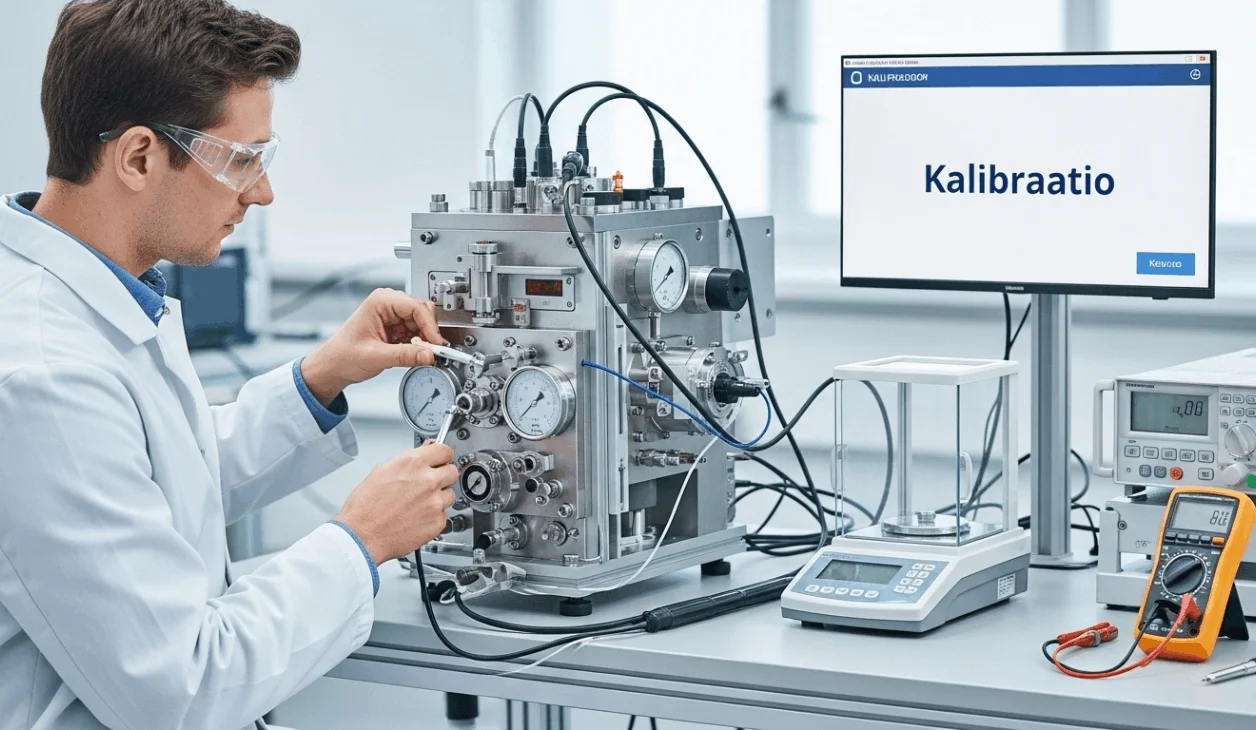
Understanding kalibraatio is vital for professionals and hobbyists alike. Calibration involves comparing the output of a measuring device against a known standard and making necessary adjustments. Without proper calibration, even sophisticated instruments can produce errors, leading to faulty results, inefficiencies, and sometimes safety risks.
Why Kalibraatio Matters
The importance of kalibraatio extends across multiple sectors. In manufacturing, calibrated machinery ensures that products meet strict quality standards. A slight deviation in measurement can result in defective products, financial loss, or even reputational damage. Similarly, in laboratories, accurate data is the backbone of research. Any error due to poorly calibrated instruments can compromise experiments and conclusions.
Moreover, regulatory bodies often require documented proof of calibration. For instance, ISO standards and other quality certifications mandate regular kalibraatio of instruments to guarantee compliance and reliability. Therefore, businesses and research facilities prioritize calibration not only for accuracy but also to adhere to legal and industry standards.
The Kalibraatio Process
Understanding how kalibraatio works can help organizations maintain precise operations. Typically, the process involves three main steps:
-
Assessment: The device is evaluated against established standards to identify deviations.
-
Adjustment: Technicians make corrections to align the device with the standard.
-
Verification: After adjustment, the device is re-tested to ensure accuracy.
Advanced instruments often require specialized calibration equipment, and in some cases, calibration must be performed under controlled environmental conditions. This is especially true for high-precision tools like digital scales, temperature sensors, or analytical instruments.
It’s important to note that kalibraatio is not a one-time task. Instruments naturally drift over time due to wear, environmental factors, or continuous use. Hence, periodic calibration is essential to maintain reliability and performance.
Types of Kalibraatio
Calibration methods vary depending on the type of device and the required precision. Some common types include:
-
Electrical Calibration: Ensures accuracy in voltmeters, ammeters, and other electrical measuring devices.
-
Mechanical Calibration: Applied to tools like micrometers, calipers, and torque wrenches to maintain dimensional accuracy.
-
Thermal Calibration: Involves temperature sensors, thermocouples, and heating equipment to ensure proper readings.
-
Chemical Calibration: Used in laboratory equipment to verify concentration measurements and analytical instruments.
Each type of calibration requires specific procedures, equipment, and expertise. Transitioning from one type to another often involves adapting methods to suit the device and environment.
Benefits of Regular Kalibraatio
Implementing regular kalibraatio schedules offers multiple advantages:
-
Accuracy and Consistency: Ensures that devices provide reliable readings every time.
-
Safety: Minimizes risks associated with incorrect measurements, which can be critical in industries like pharmaceuticals or aviation.
-
Cost Efficiency: Prevents costly errors and reduces wastage caused by defective products.
-
Compliance: Meets legal and industry standards, supporting audits and certifications.
Furthermore, well-documented calibration routines can enhance customer trust. Companies that consistently demonstrate measurement accuracy position themselves as reliable and professional.
Choosing a Kalibraatio Service
Selecting the right calibration service is critical. Factors to consider include:
-
Accreditation: Ensure the service provider is certified by recognized standards organizations.
-
Experience: Experienced technicians are more likely to handle complex instruments accurately.
-
Documentation: A credible provider will supply detailed calibration reports for record-keeping and audits.
-
Turnaround Time: Efficiency is key, especially when downtime can affect operations.
Many businesses opt for on-site calibration services to minimize disruption, while others send equipment to specialized laboratories for high-precision calibration. Both approaches have advantages, depending on the device type and operational requirements.
DIY Kalibraatio vs. Professional Services
Some minor instruments, like household scales or simple measuring tools, can be calibrated at home using standard references. However, professional calibration is essential for sophisticated equipment or devices used in critical applications. Attempting DIY calibration on complex instruments may lead to errors, damage, or voiding of warranties.
The Future of Kalibraatio
Advancements in technology are shaping the future of kalibraatio. Automated calibration systems, digital verification, and smart sensors now enable more efficient and precise processes. Some devices even perform self-calibration, reducing the need for frequent manual checks.
Despite these innovations, the fundamental goal remains the same: ensuring measurements are accurate, consistent, and reliable. Businesses and research organizations that embrace modern calibration technologies alongside traditional methods are better positioned for success in a competitive landscape.
Conclusion
Kalibraatio is far more than a technical procedure—it is the cornerstone of precision, quality, and trust. From industrial production to scientific research, accurate calibration ensures reliable measurements, compliance with standards, and operational efficiency. Whether you are a professional managing high-tech equipment or a hobbyist seeking precise results, understanding and implementing proper calibration practices is essential.
Regular and professional kalibraatio safeguards your work, reduces errors, and enhances credibility. As technology evolves, the methods may become more sophisticated, but the importance of calibration in achieving precision will remain constant. Embracing a disciplined approach to kalibraatio ensures that every measurement you take can be trusted, every process optimized, and every outcome predictable.