Felixing: Transforming Modern Lifestyle with Innovation and Ease
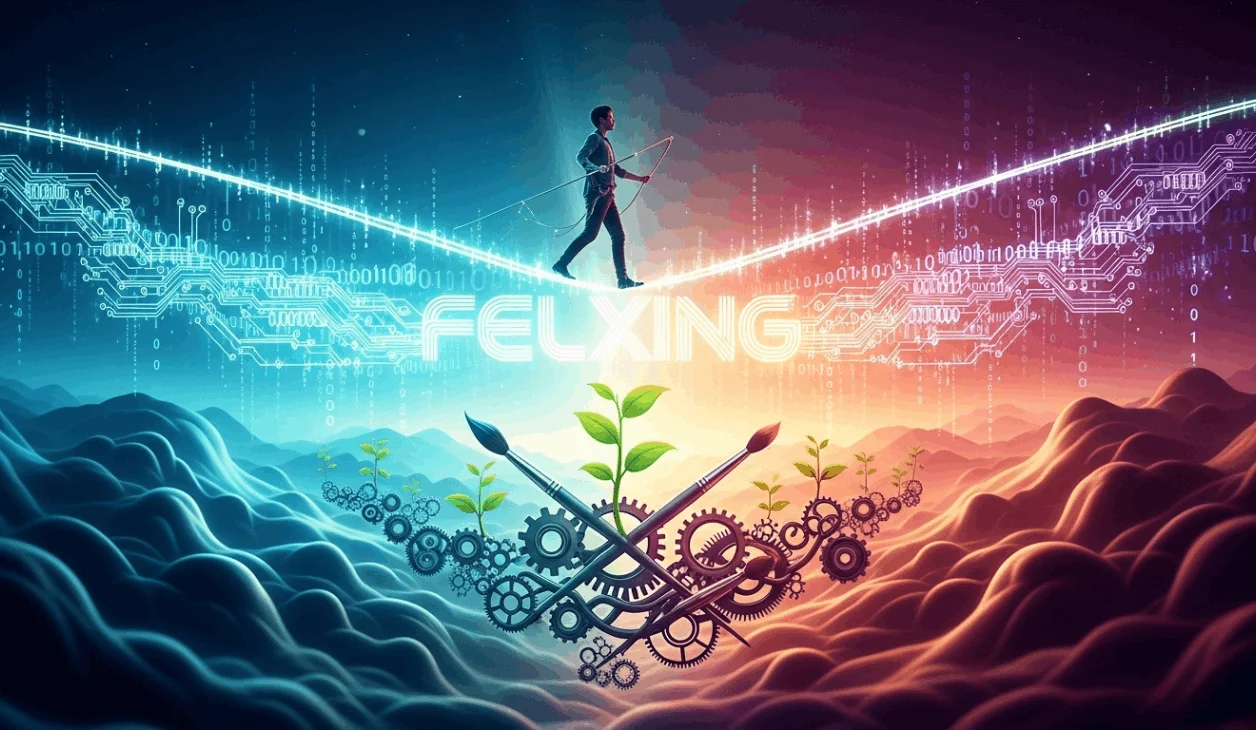
In today’s fast-paced world, finding tools and solutions that simplify daily life has become a necessity. One emerging trend making waves is felixing—a concept that blends efficiency, creativity, and technology. Whether for personal use or business applications, this approach promises to enhance productivity and streamline tasks in ways previously unimaginable.
Understanding Felixing
At its core, this method focuses on optimizing systems, routines, and tools to maximize efficiency and usability. It is not just a technique but a mindset that encourages continuous improvement and adaptation. Unlike traditional approaches that rely on rigid protocols, it emphasizes flexibility, customization, and adaptability, ensuring solutions fit each individual’s or organization’s unique needs.
Its appeal lies in universality. From smart home solutions to digital workflows, the principles behind felixing can be applied across multiple domains. By fostering innovation, it allows both individuals and businesses to respond effectively to challenges, ultimately creating a more seamless and productive lifestyle.
Key Benefits
Integrating this strategy into everyday routines comes with numerous advantages. First and foremost is time efficiency. Optimizing workflows and leveraging technology allows users to significantly reduce wasted effort. For example, businesses applying these principles in project management often experience improved collaboration, faster decision-making, and streamlined operations.
Second, adaptability improves. In a world where change is constant, being able to adjust methods quickly is invaluable. Solutions designed to evolve over time make it easier to respond to unexpected circumstances. This also fosters resilience, a quality highly prized in both personal and professional settings.
Additionally, creativity receives a boost. Emphasizing experimentation and iterative improvements encourages users to explore new ways of completing tasks. This not only enhances outcomes but contributes to skill development and personal growth.
Finally, sustainability is another notable benefit. Optimizing resource usage and minimizing redundancy supports environmentally conscious practices. Organizations can save costs and reduce their ecological footprint, aligning with global sustainability initiatives.
Practical Applications
The versatility of this approach allows it to be applied in multiple sectors. In workplaces, it enhances workflow efficiency through automated tools and adaptive task management systems. Many platforms offer personalized dashboards, smart notifications, and analytics that adjust according to user behavior.
In the home, automation, energy-saving devices, and intuitive organizational systems exemplify the principles in action. Automating repetitive tasks frees time for more meaningful activities, whether spending quality moments with family or pursuing hobbies.
Educational institutions also benefit. Adaptive learning platforms that adjust content based on performance foster engagement and improve learning outcomes. Teachers gain actionable insights, while students receive a more tailored educational experience.
Even healthcare is seeing the impact. From digital patient management to flexible therapy plans, this mindset enables professionals to deliver more precise, efficient, and patient-centered care.
Implementing the Approach
Adopting these principles does not require a complete overhaul of existing routines. Begin by identifying areas that could benefit from optimization. Analyze tasks that consume excessive time or resources and consider technology or refined methods to improve efficiency.
Next, prioritize flexibility. Avoid rigid systems that resist change. Opt instead for modular solutions that allow customization and growth. Digital tools with adjustable workflows and integrations are ideal for productivity improvement.
Feedback is essential. Continuous evaluation and adjustment ensure solutions remain effective over time. Iterative refinement fosters learning, creativity, and long-term enhancement.
Finally, embrace innovation. Experiment with new tools and techniques aligned with optimization principles. While not every experiment may succeed, the process itself nurtures personal and professional development.
The Future of Optimized Living
As technology evolves, the influence of this approach is expected to grow. Artificial intelligence, machine learning, and the Internet of Things (IoT) will enhance personalized, adaptive solutions. These innovations allow optimized methods to reach wider areas of life, from productivity tools to industrial operations.
The global focus on efficiency and sustainability aligns perfectly with these strategies. Individuals and organizations are seeking smarter, greener, and more responsive ways to operate. The framework behind felixing offers a pathway to achieve these goals without sacrificing convenience or effectiveness.
Future systems will likely integrate more seamlessly. Intelligent automation, cross-platform workflows, and data-driven insights make optimization accessible to a broader audience. This ensures that everyone, regardless of expertise, can benefit from the advantages of streamlined, adaptive living.
Conclusion
Felixing represents a modern approach to efficiency, adaptability, and creativity. By integrating these principles into personal, professional, and organizational routines, individuals can achieve greater productivity, resilience, and innovation. Its applications span multiple domains—from home automation and education to healthcare—making it versatile and practical.
Ultimately, this method is more than a technique; it is a philosophy. Embracing its concepts encourages continuous improvement, sustainable practices, and smarter living. In a rapidly evolving world, those who adopt such strategies will likely be better equipped to navigate challenges and seize opportunities.
By focusing on optimization, flexibility, and innovation, felixing offers a path toward a more efficient, creative, and fulfilling future.