
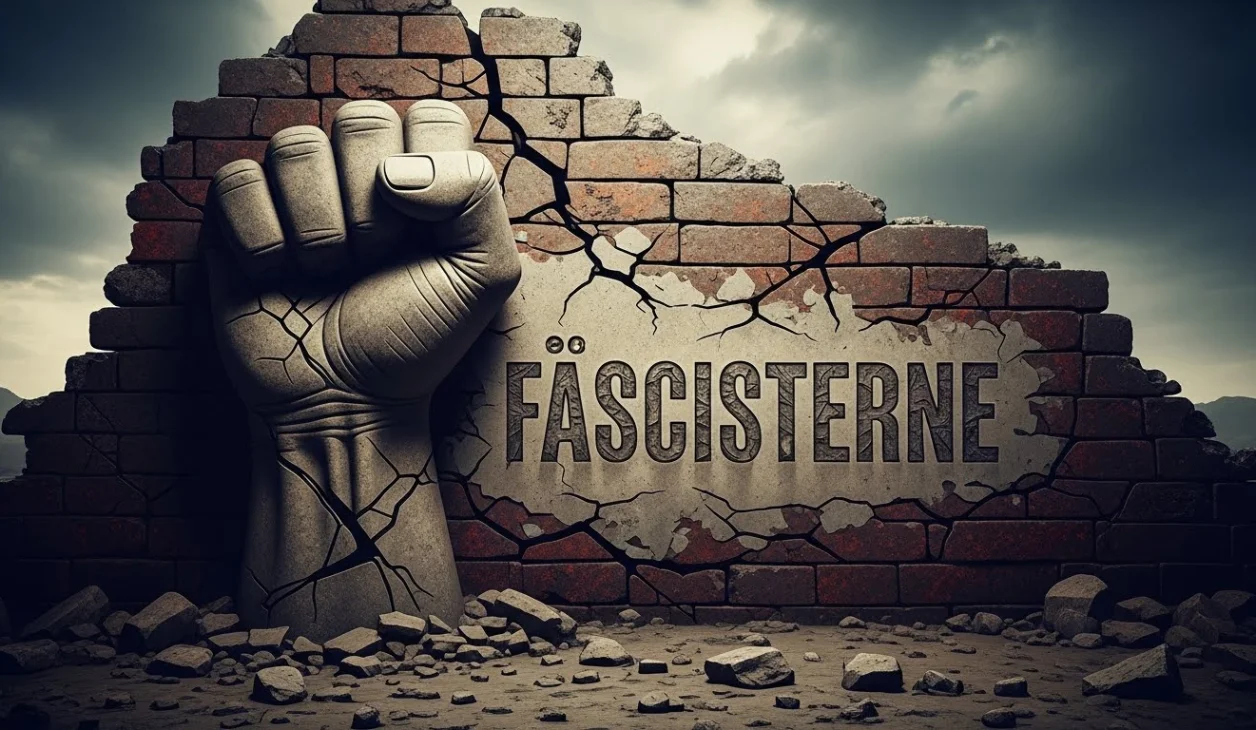
Fascisterne: History, Ideology, and Its Impact on Society
The term fascisterne is often associated with authoritarianism, nationalism, and political extremism. Although it originates from a specific historical context, its influence and relevance continue to be discussed in modern political and social debates. To truly understand fascisterne, it is essential to explore their origins, core beliefs, historical role, and lasting impact on societies around the world.
The Origins of Fascisterne
To begin with, fascisterne emerged in early 20th-century Europe, particularly in Italy under Benito Mussolini. The ideology developed during a time of economic instability, political unrest, and social frustration. As a result, fascism promised order, strength, and national revival, appealing to people who felt disillusioned with democracy and liberal institutions.
The term itself is derived from the Latin word fasces, symbolizing unity and authority. Over time, fascisterne became associated with rigid control, strong leadership, and the suppression of opposition. While the ideology initially gained momentum in Italy, similar movements soon appeared in other parts of Europe.
Core Beliefs and Ideology
At the heart of fascisterne ideology lies extreme nationalism. The nation is placed above the individual, and loyalty to the state is considered a moral duty. Consequently, personal freedoms are often sacrificed in favor of what is perceived as national strength and unity.
Another defining characteristic is authoritarian leadership. Fascisterne typically reject democratic systems, arguing that a single powerful leader can better represent the will of the people. In addition, political dissent is viewed as dangerous, which leads to censorship, propaganda, and the silencing of opposition voices.
Furthermore, fascist ideology often glorifies military power and discipline. Violence may be portrayed as a legitimate tool to achieve political goals. Because of this, fascisterne movements frequently promote militarism and aggressive foreign policies.
Fascisterne in Historical Context
Historically, fascisterne played a major role in shaping some of the most destructive events of the 20th century. Most notably, fascist ideology influenced Nazi Germany under Adolf Hitler. Although Nazism had its own distinct features, it shared many fundamental principles with Italian fascism, including authoritarianism and nationalism.
As history shows, the rise of fascisterne often coincided with economic hardship. For example, during the Great Depression, many people turned to extremist ideologies out of fear and uncertainty. Unfortunately, this led to devastating consequences, including World War II and widespread human rights abuses.
After the war, fascism was largely discredited. However, its legacy remained, serving as a cautionary tale about the dangers of unchecked power and ideological extremism.
Social and Cultural Impact
Beyond politics, fascisterne have had a lasting influence on culture and society. Art, media, and education were frequently used as tools of propaganda. Through carefully crafted messages, fascist regimes attempted to shape public opinion and control how people perceived reality.
Moreover, minority groups often suffered under fascist rule. Racism, exclusion, and discrimination were commonly justified in the name of national purity. As a result, millions of people were marginalized, persecuted, or worse.
Even today, discussions about fascisterne highlight the importance of tolerance, diversity, and democratic values. By examining the social damage caused by fascism, modern societies can better understand the value of protecting human rights.
Fascisterne in the Modern World
Although classical fascism declined after World War II, elements of fascisterne ideology still appear in contemporary politics. In some cases, nationalist movements adopt similar rhetoric, emphasizing strong leadership and portraying outsiders as threats. However, these modern expressions are often more subtle and adapted to current political systems.
Therefore, it is crucial to distinguish between legitimate patriotism and extremist ideology. While pride in one’s country is natural, fascisterne ideology crosses the line by promoting exclusion, intolerance, and authoritarian control.
Education and awareness play a key role in preventing the resurgence of such movements. By understanding history, societies can recognize early warning signs and respond appropriately.
Why Understanding Fascisterne Matters
Understanding fascisterne is not merely an academic exercise. On the contrary, it helps individuals become more informed citizens. When people recognize how extremist ideologies operate, they are less likely to be influenced by misinformation or fear-based narratives.
Additionally, studying fascism encourages critical thinking. It prompts important questions about power, freedom, and responsibility. Most importantly, it reinforces the idea that democracy requires active participation and vigilance.
Conclusion
In conclusion, fascisterne represent a powerful yet dangerous ideology rooted in authoritarianism and extreme nationalism. While their historical influence led to profound suffering, their legacy serves as a reminder of the importance of democratic values and human rights. By learning from the past and promoting open dialogue, societies can work toward a future that rejects extremism and embraces inclusivity.