
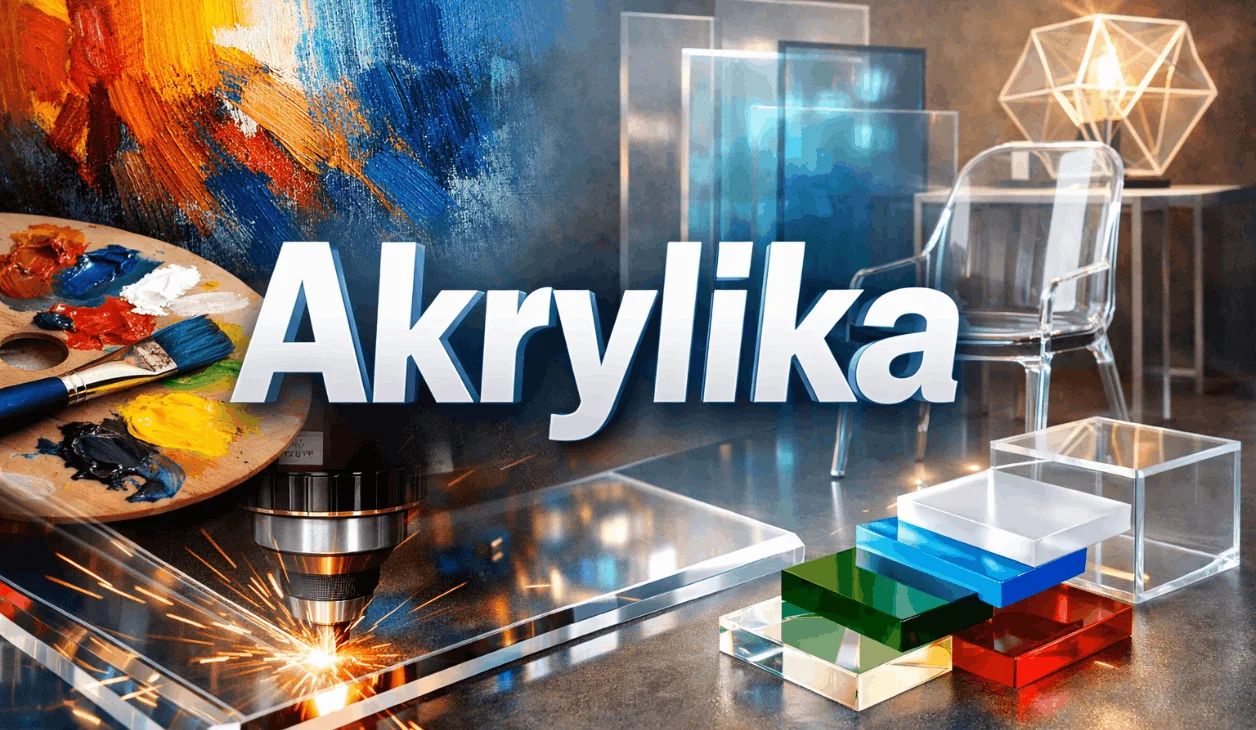
Akrylika: A Modern Material Transforming Art and Design
In today’s world of creative expression and innovative materials, akrylika has gained significant attention. Artists, designers, and manufacturers are increasingly drawn to this versatile material because of its durability, vibrant appearance, and wide range of applications. From modern artwork to decorative home pieces, akrylika continues to shape contemporary design trends. As technology and creativity evolve together, this material stands out as a practical and visually appealing solution for many industries.
What Is Akrylika?
At its core, akrylika refers to a form of acrylic-based material widely used in artistic and decorative fields. Acrylic materials are known for their transparency, strength, and resistance to environmental damage. Because of these qualities, akrylika often serves as an alternative to traditional glass or other fragile materials.
Unlike many conventional materials, acrylic-based substances are lightweight yet extremely durable. As a result, they can be molded into various shapes without losing their clarity or structural strength. This flexibility allows creators to experiment with unique designs while maintaining long-lasting results. Consequently, akrylika has become a popular option for both professional artists and DIY enthusiasts.
The Growing Popularity of Akrylika in Art
Over the past decade, akrylika has gained a strong reputation in the art world. Artists appreciate it for its ability to enhance colors and create depth in visual compositions. Because acrylic surfaces reflect light beautifully, they can make paintings and prints appear more vibrant and dynamic.
Furthermore, many modern artists choose akrylika panels instead of traditional canvas. These panels offer a smooth and stable surface that prevents warping or deterioration over time. As a result, artworks created with this material often maintain their original appearance for many years.
Another important reason behind the popularity of akrylika is its compatibility with various painting techniques. Whether artists use acrylic paints, mixed media, or digital printing methods, the material supports multiple creative styles. Therefore, it encourages experimentation and innovation within artistic communities.
Applications of Akrylika in Interior Design
Beyond art, akrylika has become an essential material in interior design. Designers frequently use acrylic elements to create modern and elegant spaces. Because the material is transparent and reflective, it helps make rooms feel brighter and more spacious.
For example, akrylika is commonly used for decorative wall panels, furniture accents, and lighting fixtures. These applications provide a sleek and contemporary appearance that fits perfectly with minimalist or futuristic design concepts.
Moreover, the material’s durability makes it suitable for both residential and commercial environments. Unlike glass, which can easily shatter, akrylika is resistant to impact. Consequently, designers often prefer it for spaces where safety and longevity are important.
Advantages of Using Akrylika
There are several reasons why akrylika has become such a valuable material across creative industries. First and foremost, its durability ensures long-lasting performance. Acrylic materials resist scratches, moisture, and UV damage, making them ideal for both indoor and outdoor use.
Another significant advantage is versatility. Akrylika can be cut, shaped, engraved, or polished to achieve different textures and visual effects. This adaptability allows artists and designers to customize projects according to their specific needs.
In addition, the material offers excellent clarity. Many acrylic products are nearly as transparent as glass, yet they weigh much less. This combination of strength and lightness makes akrylika easier to transport, install, and maintain.
Finally, the aesthetic appeal of akrylika cannot be overlooked. Its glossy finish and smooth surface create a modern look that enhances visual presentation in both art displays and architectural designs.
Sustainability and Modern Manufacturing
As sustainability becomes increasingly important, many manufacturers are exploring eco-friendly ways to produce akrylika. Advances in recycling technology now allow certain acrylic materials to be reused and repurposed. This process helps reduce waste while maintaining the material’s high quality.
Additionally, energy-efficient manufacturing methods are improving the environmental footprint of acrylic production. Some companies are even experimenting with bio-based components that reduce reliance on traditional petrochemical resources.
Although challenges remain, these developments suggest that akrylika could play a role in future sustainable design solutions. By combining durability with recyclability, the material offers promising opportunities for responsible innovation.
Akrylika in Digital and Commercial Uses
The digital era has opened new possibilities for akrylika. Businesses often use acrylic displays for signage, advertising boards, and product showcases. Because the material enhances printed colors and graphics, it helps brands create visually striking presentations.
Retail environments, for instance, frequently incorporate acrylic display stands or illuminated panels. These elements draw attention to products while maintaining a clean and professional appearance. Similarly, museums and galleries rely on akrylika coverings to protect artworks without blocking visibility.
In the technology sector, acrylic components also appear in devices, protective covers, and modern gadgets. Their strength and transparency make them ideal for combining functionality with sleek design.
Future Trends and Innovations
Looking ahead, akrylika is expected to remain a key material in both creative and industrial fields. Researchers continue to develop new acrylic blends that offer improved durability, flexibility, and environmental performance.
Additionally, emerging technologies such as laser engraving and 3D fabrication are expanding the possibilities of akrylika. These tools allow designers to create complex patterns and structures that were previously difficult to achieve.
As a result, the material is becoming even more valuable for architecture, product design, and artistic experimentation. Its ability to blend aesthetics with practicality ensures that it will remain relevant in modern design culture.
Conclusion
In summary, akrylika represents a powerful combination of beauty, versatility, and durability. From artistic creations to interior design elements, the material continues to influence modern visual culture. Its lightweight nature, resistance to damage, and exceptional clarity make it an attractive alternative to traditional materials.
Moreover, ongoing innovations in manufacturing and sustainability are expanding its potential even further. As artists, designers, and engineers continue exploring new possibilities, akrylika will likely remain at the forefront of creative and technological development. Whether used in artwork, architecture, or commercial displays, this remarkable material proves that functionality and aesthetics can work together seamlessly.