
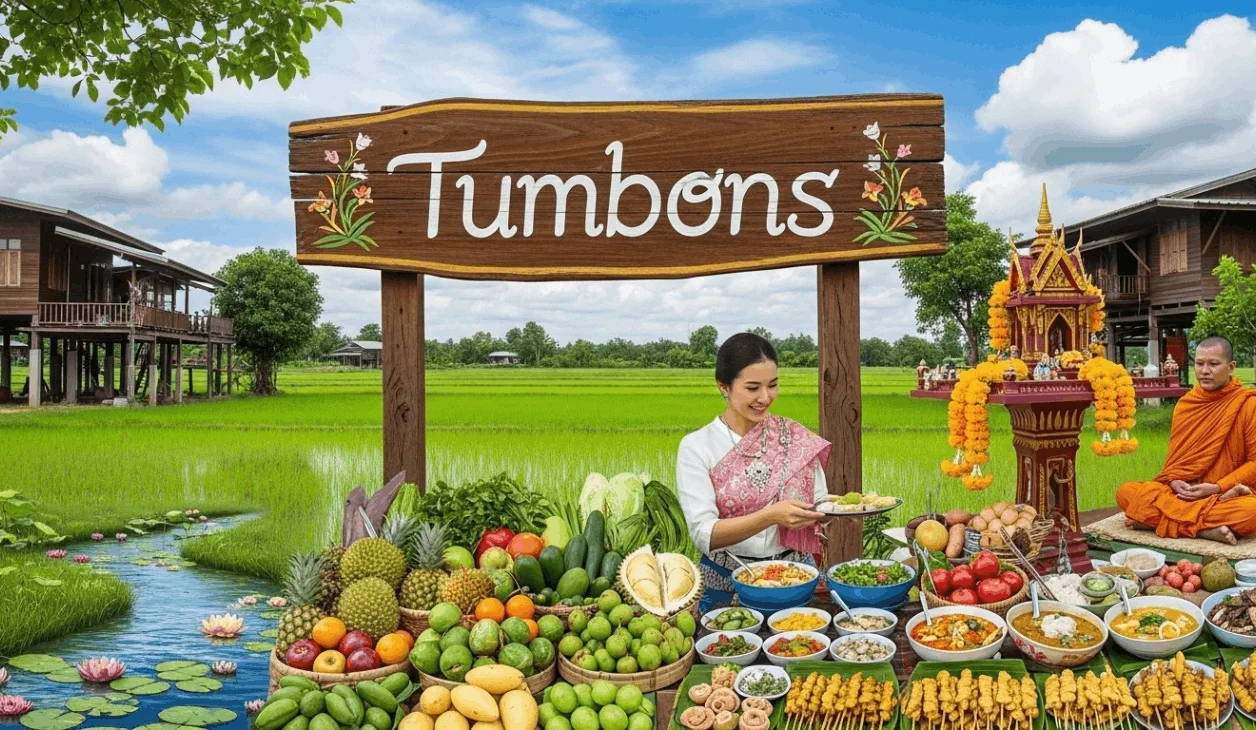
Tumbons: Timeless Pathways Through Rustic Landscapes
When people think of Thailand, they often picture bustling cities like Bangkok or crowded tourist islands. Yet, the heart of the country lies in its rural subdistricts, known as tumbons. These areas provide a glimpse into the authentic daily life, culture, and traditions of Thailand, far from the usual tourist paths. Visiting a tumbon allows travelers to experience local customs, cuisine, and natural beauty in a way cities simply cannot offer.
What Are Tumbons?
A tumbon is a subdistrict within Thailand’s administrative structure, smaller than a district (amphoe) but larger than a village (muban). Each tumbon typically contains several villages where residents manage local affairs, agricultural practices, and cultural events. Unlike urban neighborhoods, tumbons retain a strong connection to traditional Thai lifestyles.
Local governance in tumbons emphasizes community participation. Residents elect leaders and councils who make decisions on development projects, environmental management, and cultural preservation. This system ensures that each tumbon maintains its unique identity while gradually incorporating modern infrastructure and public services.
The Cultural Life of Tumbons
One of the most captivating aspects of tumbons is their cultural richness. Festivals, religious ceremonies, and local traditions are deeply ingrained in daily life. Many tumbons celebrate Buddhist holidays with elaborate parades, temple rituals, and community feasts. These events allow visitors to witness centuries-old customs firsthand and understand the values that sustain rural Thai communities.
Handicrafts are another cultural highlight. Many tumbons host artisans specializing in weaving, pottery, and other traditional crafts. Unlike mass-produced souvenirs, these handmade items reflect the creativity and heritage of the local community. Supporting local artisans not only preserves traditional skills but also benefits the tumbon economically.
Natural Beauty and Ecotourism
Tumbons are often surrounded by scenic landscapes that remain largely untouched by urbanization. Rice fields, rivers, forests, and mountains provide opportunities for outdoor activities such as hiking, birdwatching, and farm tours. These ecotourism experiences allow travelers to enjoy nature while learning about sustainable practices implemented by rural communities.
In Northern Thailand, some tumbons are home to hill tribes practicing traditional agriculture and forestry techniques. Their sustainable lifestyle demonstrates how tumbons can balance economic needs with environmental preservation, offering lessons in eco-conscious living that modern cities can learn from.
Local Cuisine in Tumbons
Food is an integral part of the tumbon experience. Unlike urban restaurants, local eateries in these subdistricts often rely on fresh, farm-to-table ingredients. Dishes are made using seasonal vegetables, herbs, and river fish, with recipes passed down through generations.
Visitors to a tumbon can sample unique flavors distinct from mainstream Thai cuisine. Spicy salads, fragrant curries, and handmade desserts showcase the region’s culinary heritage. Eating in a tumbon is more than a meal—it is an opportunity to connect with the community and its traditions.
Challenges Facing Tumbons
Despite their charm, tumbons face challenges in the modern era. Urban migration, economic pressures, and climate-related issues such as flooding and drought affect many subdistricts. To address these concerns, local authorities and non-government organizations work on improving infrastructure, promoting sustainable farming, and preserving cultural landmarks.
Technological adoption is gradually enhancing life in tumbons. Mobile connectivity, internet access, and online marketplaces help residents connect with wider audiences and sell local products, all while maintaining traditional practices. This blend of modernity and heritage ensures that tumbons remain vibrant and relevant.
Tips for Visiting Tumbons
For travelers, visiting a tumbon requires some preparation. Learning basic Thai phrases helps in communicating with locals who may not speak English. Dressing respectfully and following local customs enhances the experience. Participating in community activities, such as temple ceremonies or farming tasks, can make your visit even more meaningful.
Opting for homestays or eco-lodges in tumbons supports local economies and provides a deeper understanding of daily life. Staying with a host family allows travelers to observe agricultural routines, cook traditional meals, and gain a personal perspective on rural Thailand.
Why Tumbons Are Worth Exploring
In conclusion, tumbons are more than administrative units—they are the living embodiment of Thailand’s culture, tradition, and natural beauty. Festivals, crafts, cuisine, and ecotourism opportunities make these subdistricts appealing to anyone seeking authentic experiences beyond urban centers.
Exploring a tumbon allows visitors to witness community-driven governance, sustainable living, and cultural preservation in action. For travelers interested in meaningful experiences, tumbons offer a unique way to connect with Thailand’s heart and heritage. By appreciating the lifestyle, traditions, and landscapes of these subdistricts, one can truly understand the richness of rural Thai life.