
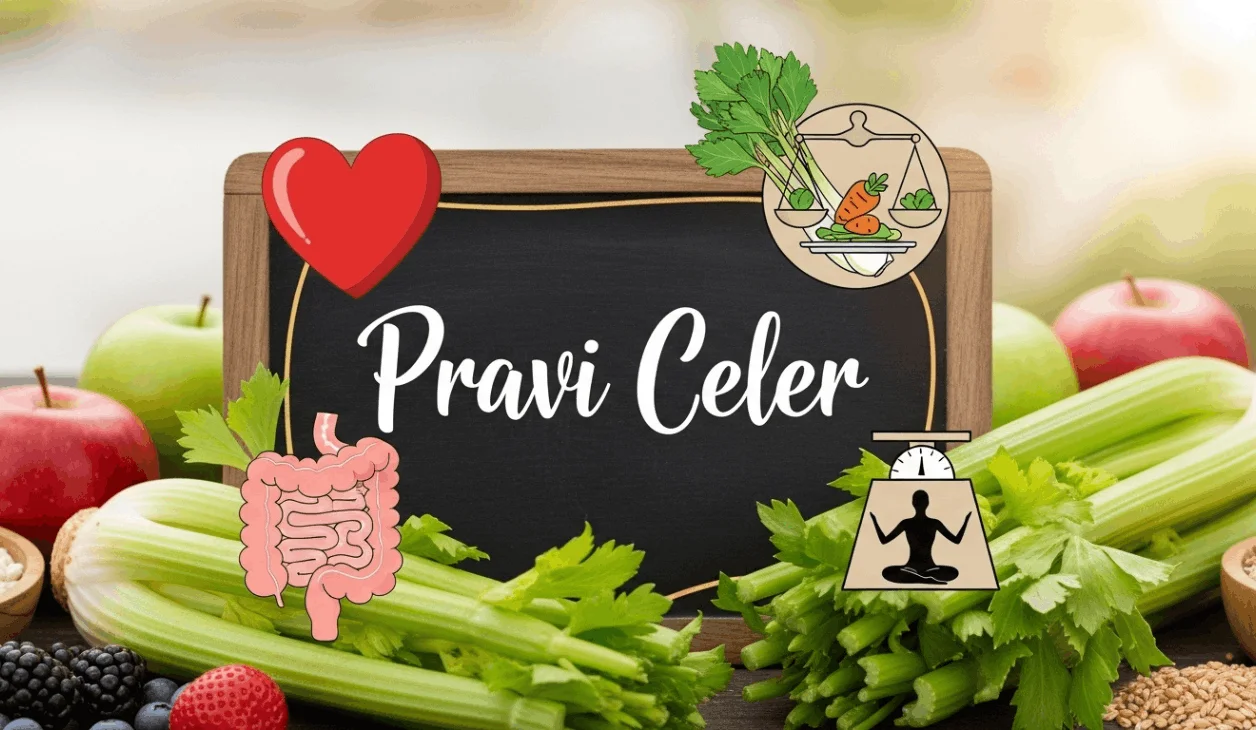
Pravi celer: A Nutritious Vegetable for Heart and Digestion
Pravi celer, scientifically known as Apium graveolens, is a garden or aromatic celery widely valued as both a vegetable and a seasoning. Belonging to the Apiaceae family, this plant has been cultivated for centuries for its crisp stalks, flavorful leaves, and aromatic seeds. From salads to soups, pravi celer is a versatile ingredient that adds freshness, nutrition, and a distinct taste to countless dishes.
Its mild, slightly sweet flavor and crunchy texture make it a favorite in kitchens around the world. Beyond taste, pravi celer offers a wide array of health benefits, making it an essential part of many healthy diets. In this article, we explore its nutritional value, health benefits, culinary uses, growing tips, and storage methods.
What Is Pravi Celer?
Pravi celer is a biennial plant grown primarily for its edible stalks, leaves, and seeds. While commonly known simply as celery, the term garden celery highlights the traditional garden variety often cultivated in Europe and other temperate regions.
The plant thrives in moist, nutrient-rich soil and requires regular watering. Its long, fibrous stalks are pale green and crunchy, while the leaves offer a slightly stronger flavor. The seeds, though small, are highly aromatic and commonly used as a spice to enhance the flavor of soups, sauces, and pickles.
Nutritional Profile of Pravi Celer
Pravi celer is not only flavorful but also highly nutritious. It is low in calories yet rich in vitamins, minerals, fiber, and antioxidants. Because it is mostly water—around 95%—it can help keep you hydrated while providing essential nutrients.
Key Nutrients
- Vitamin K: Supports bone health and blood clotting.
- Vitamin C: Boosts immunity and promotes skin health.
- Potassium: Helps regulate blood pressure and heart function.
- Folate: Supports cell growth and overall metabolism.
- Dietary Fiber: Aids digestion and encourages a healthy gut.
In addition, this vegetable contains flavonoids and polyphenols, which are natural antioxidants that may reduce oxidative stress and inflammation in the body.
Health Benefits of Pravi Celer
Supports Heart Health
Regular consumption of garden celery can support cardiovascular health. The potassium content helps balance sodium levels in the body, contributing to healthier blood pressure. Antioxidants may also help protect blood vessels from damage and inflammation.
Aids Digestion
The fiber in garden celery supports proper digestion, promoting regular bowel movements and a healthy gut microbiome. Its natural compounds may also relieve bloating and discomfort, making it a gentle choice for digestive support.
Supports Weight Management
Being low in calories yet rich in fiber, pravi celer is an ideal addition to a weight-conscious diet. It helps create a feeling of fullness without adding excessive calories, making it a healthy snack or side dish.
Reduces Inflammation
Some compounds in pravi celer possess anti-inflammatory properties. Consuming it regularly may help alleviate inflammation-related conditions and support overall well-being.
Culinary Uses of Pravi Celer
Pravi celer is incredibly versatile in cooking. Its stalks, leaves, and seeds can all be used in various ways, making it a staple in many culinary traditions.
Fresh Consumption
Crisp stalks are perfect for eating raw. They can be chopped for salads, added to smoothies, or served as a crunchy snack with dips like hummus or yogurt. The leaves can also be used in salads or as a garnish for added flavor.
Cooking Applications
Pravi celer is commonly used in soups, stews, and sauces as part of a flavor base. When cooked, it develops a milder, slightly sweet taste that enhances the richness of dishes. It can also be sautéed, roasted, or included in casseroles and risottos.
As a Spice
The seeds of garden celery are aromatic and slightly bitter, often ground to season meat, pickles, and sauces. Dried leaves can serve as an herb to enhance the flavor of dishes naturally.
Growing Pravi Celer at Home
Pravi celer can be grown in gardens with proper care. Though it requires patience, the results are rewarding.
Soil and Climate
This plant grows best in cool to moderate temperatures, in soil that is moist and rich in nutrients. Regular watering is essential due to its shallow roots. Mulching can help retain soil moisture and regulate temperature.
Planting Tips
Start seeds indoors before the last frost, and transplant seedlings once they are strong enough. Fertilizing regularly will encourage healthy growth. Stalks can be harvested when they reach the desired thickness. Freshly harvested pravi celer often tastes superior to store-bought options.
Differences Between Pravi Celer and Other Celery Types
While pravi celer is the classic garden variety, other forms exist:
- Root celery (celeriac): Grown for its bulbous root rather than stalks.
- Leaf celery: Cultivated for aromatic leaves rather than edible stalks.
Among these types, garden celery is most recognized for its versatile culinary uses and nutritional benefits.
Storage and Preservation
To maintain freshness, store stalks of pravi celer in the refrigerator. Wrapping them in foil or placing them in airtight containers helps retain moisture.
For long-term storage, you can:
- Chop and freeze the stalks
- Dry leaves for seasoning
- Store seeds in airtight jars
Proper storage preserves both flavor and nutrients, allowing you to enjoy the plant’s benefits year-round.
Conclusion
Pravi celer is far more than just a common vegetable. Its crisp stalks, aromatic leaves, and flavorful seeds offer incredible culinary versatility. Nutritionally, it provides essential vitamins, minerals, fiber, and antioxidants, supporting heart health, digestion, and weight management.
Whether eaten raw, cooked, or used as a spice, garden celery can enhance any dish while contributing to overall well-being. By incorporating this traditional garden celery into your meals, you can enjoy both its delightful taste and its numerous health benefits.