Markiseteppe: A Practical and Stylish Solution for Outdoor Comfort
Creating a comfortable outdoor space is no longer a luxury; it has become a necessity for homes and businesses alike. Whether it is a balcony, terrace, garden, or storefront, protection from sun and light rain plays a vital role in enhancing usability. This is where markiseteppe comes into focus. Known for its durability and aesthetic appeal, this material has become a preferred choice for modern outdoor shading solutions.
What Is Markiseteppe?
Markiseteppe refers to the specialized fabric used in awnings and outdoor canopies. It is designed to withstand changing weather conditions while maintaining its appearance over time. Unlike ordinary fabrics, it is engineered to resist UV rays, moisture, and fading. As a result, it offers both functional and visual benefits for exterior spaces.
Moreover, this fabric is available in a wide range of colors, patterns, and textures. This variety allows homeowners and businesses to select a design that complements their architecture while still meeting practical needs.
Why Markiseteppe Is Popular
One of the main reasons markiseteppe has gained popularity is its balance between performance and style. On one hand, it provides reliable protection from harsh sunlight. On the other, it enhances the overall look of an outdoor area.
In addition, it contributes to temperature control. By blocking direct sunlight, it helps reduce heat buildup indoors, especially near windows and glass doors. Consequently, this can lead to lower energy consumption during warmer months.
Another important factor is longevity. With proper care, this fabric can last for many years without losing its strength or color. Therefore, it is often considered a cost-effective investment rather than a short-term solution.
Types of Markiseteppe Materials
Different materials are used in the production of markiseteppe, each offering unique advantages. Acrylic fabric is among the most common options. It is known for its excellent color retention and resistance to UV radiation. For this reason, it is widely used in residential settings.
Polyester, often coated with protective layers, is another popular choice. It provides strong resistance to moisture and is relatively easy to clean. Meanwhile, PVC-coated fabrics are frequently selected for commercial use due to their superior strength and water resistance.
By understanding these options, buyers can choose the fabric that best suits their specific environment and usage needs.
Applications in Residential Spaces
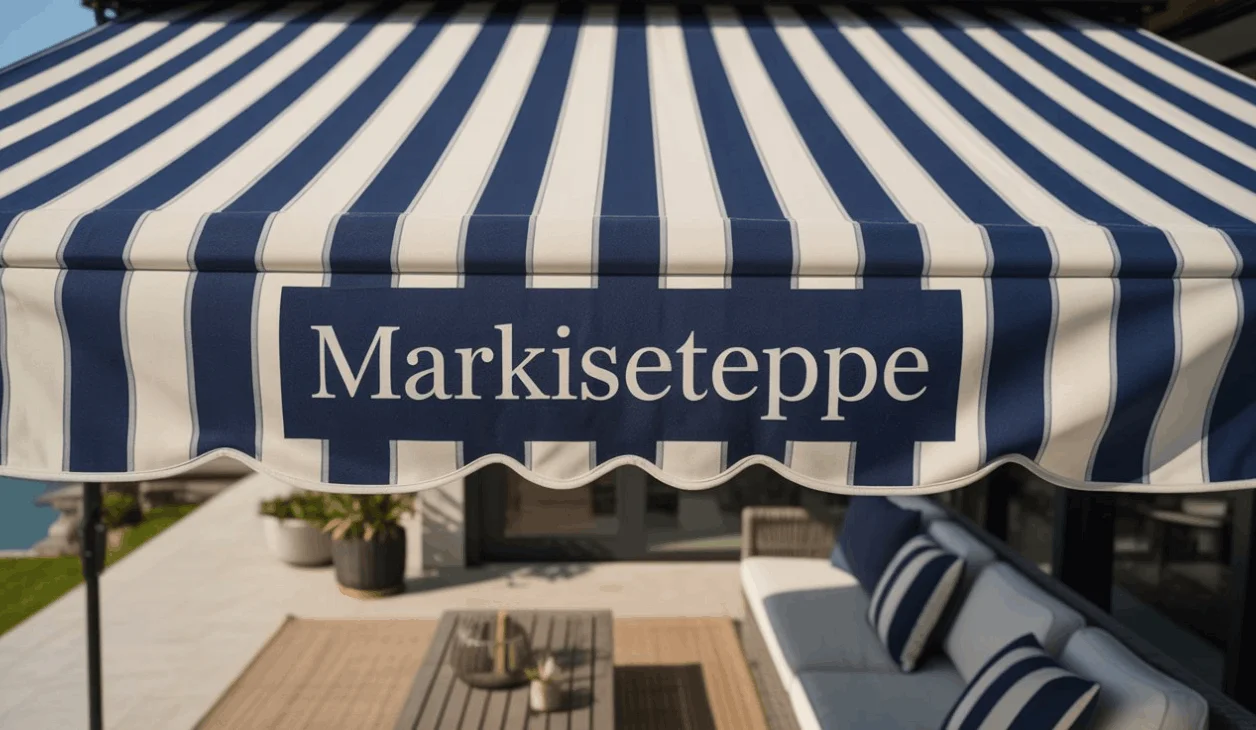
In homes, markiseteppe is commonly used for balconies, patios, and garden seating areas. It creates a shaded environment that allows families to enjoy outdoor moments without discomfort. At the same time, it adds a sense of elegance and structure to open spaces.
Furthermore, it can be customized to fit different awning systems, whether retractable or fixed. This flexibility makes it suitable for both small apartments and larger houses. As a result, homeowners can personalize their outdoor areas while improving functionality.
Commercial and Business Use
Beyond residential settings, markiseteppe plays an important role in commercial environments. Cafés, restaurants, and retail shops often rely on awnings to create inviting outdoor seating or to protect window displays. In such cases, the fabric serves both practical and branding purposes.
For instance, businesses can select colors and patterns that align with their brand identity. Additionally, the shade provided helps create a more comfortable experience for customers, which can positively influence foot traffic and customer satisfaction.
Maintenance and Care Tips
Although markiseteppe is designed for durability, proper maintenance is essential to extend its lifespan. Regular cleaning helps prevent the buildup of dust, pollen, and pollution. Usually, mild soap and water are sufficient for routine care.
It is also advisable to retract awnings during extreme weather conditions, such as heavy storms or strong winds. By doing so, unnecessary strain on the fabric and structure can be avoided. Over time, these simple habits contribute to preserving both appearance and performance.
Environmental Considerations
Sustainability has become an important aspect of modern home and building design. Fortunately, markiseteppe supports eco-friendly practices in several ways. By reducing indoor heat, it lowers the need for air conditioning, which in turn decreases energy consumption.
Some manufacturers also focus on producing fabrics with environmentally responsible processes. Therefore, choosing high-quality materials can align comfort with environmental awareness.
Choosing the Right Markiseteppe
Selecting the right fabric involves considering multiple factors. Climate is one of the most important aspects. Areas with intense sunlight require strong UV resistance, while regions with frequent rain benefit from enhanced water repellency.
Equally important is visual harmony. The chosen design should blend well with the building’s exterior and surrounding environment. When these elements are balanced, the result is a functional solution that also elevates visual appeal.
Final Thoughts
Markiseteppe is more than just a shading fabric; it is a practical addition that enhances comfort, efficiency, and style. From private homes to bustling commercial spaces, its versatility makes it a reliable choice for various applications.
By understanding its materials, uses, and maintenance needs, individuals and businesses can make informed decisions. Ultimately, investing in the right fabric transforms outdoor spaces into inviting, usable areas throughout the year.