Coatings Elastomeric: Advanced Shielding for Flexible Surface Protection
In today’s construction and industrial landscape, long-lasting protection is no longer a luxury—it’s a necessity. As buildings, infrastructure, and equipment face increasing exposure to weather extremes, chemicals, and mechanical stress, advanced protective solutions have taken center stage. Among these innovations, coatings elastomeric have emerged as a highly effective and versatile option. Not only do they offer superior durability, but they also provide flexibility and sustainability that traditional coatings often lack.
What Are Elastomeric Coatings?
Elastomeric coatings are specialized protective layers formulated with elastic polymers. Unlike conventional paints or coatings that may crack or peel over time, these coatings are designed to stretch and return to their original shape. As a result, they can accommodate surface movement caused by temperature changes, vibrations, or structural settling.
Because of this unique elasticity, coatings elastomeric are particularly effective on surfaces prone to expansion and contraction, such as roofs, exterior walls, and concrete structures. Moreover, their seamless application helps reduce weak points where moisture or contaminants could penetrate.
Key Benefits of Elastomeric Coatings
One of the primary reasons elastomeric coatings have gained popularity is their impressive range of benefits. First and foremost, their flexibility significantly enhances durability. When surfaces expand or contract, the coating moves with them, preventing cracks that could lead to costly repairs.
Additionally, elastomeric coatings provide excellent waterproofing properties. By forming a continuous, watertight membrane, they help protect substrates from rain, humidity, and standing water. Consequently, this reduces the risk of mold growth, corrosion, and structural damage over time.
Another advantage is energy efficiency. Many coatings elastomeric are formulated with reflective pigments that deflect sunlight. As a result, they help reduce heat absorption, keeping buildings cooler and lowering energy costs during warmer months.
Applications Across Industries
Thanks to their versatility, elastomeric coatings are used across a wide range of industries. In the construction sector, they are commonly applied to roofs, exterior walls, and balconies. Their ability to bridge small cracks makes them especially valuable for aging buildings that require restoration rather than replacement.
In industrial settings, elastomeric coatings protect tanks, pipelines, and machinery from chemical exposure and mechanical wear. Meanwhile, in infrastructure projects such as bridges and tunnels, these coatings help extend service life by resisting moisture penetration and environmental stress.
Furthermore, coatings elastomeric are increasingly used in residential applications. Homeowners appreciate their long-term performance, aesthetic appeal, and reduced maintenance requirements.
Surface Preparation and Application
While Flexible protective coatings offer exceptional performance, proper surface preparation is critical to achieving optimal results. Before application, surfaces must be clean, dry, and free of loose material, grease, or old peeling coatings. In many cases, pressure washing and minor repairs are necessary to ensure good adhesion.
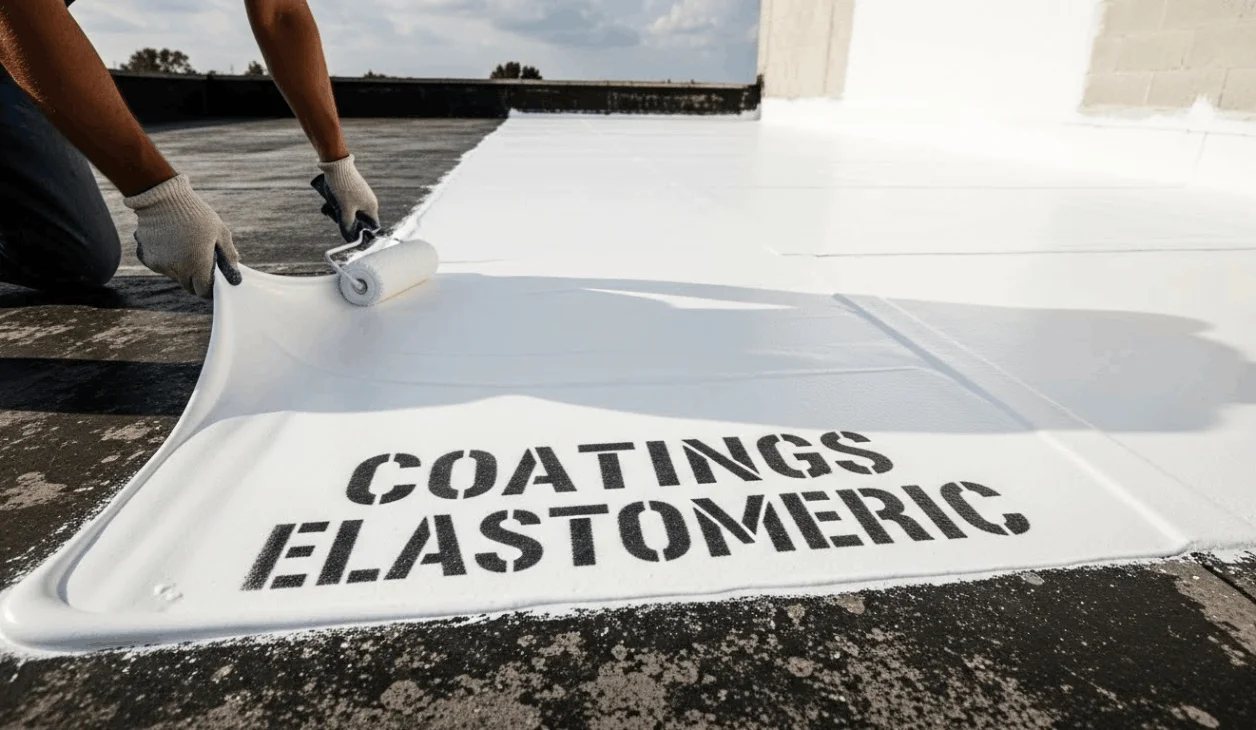
Once prepared, Flexible protective coatings can be applied using brushes, rollers, or spray equipment. Because they are typically thicker than standard paints, multiple coats may be required. However, this thickness contributes to their durability and protective capabilities.
Equally important, application conditions such as temperature and humidity should be carefully monitored. Applying Flexible protective coatings under the right conditions ensures proper curing and long-term performance.
Environmental and Sustainability Considerations
As sustainability becomes a growing priority, elastomeric coatings offer several environmental benefits. Many modern formulations are low in volatile organic compounds (VOCs), making them safer for both applicators and the environment. Additionally, by extending the lifespan of structures and reducing the need for frequent recoating, these coatings help minimize material waste.
Energy savings also play a role in sustainability. Reflective elastomeric roof coatings, for example, can significantly reduce cooling loads in buildings. Over time, this translates into lower energy consumption and a reduced carbon footprint.
Therefore, choosing Flexible protective coatings is not only a practical decision but also an environmentally responsible one.
Maintenance and Longevity
Another notable advantage of Flexible protective coatings is their relatively low maintenance requirements. Once properly applied, they can last for many years with minimal upkeep. Periodic inspections are recommended to identify any damage caused by extreme conditions or mechanical impact.
If maintenance is needed, repairs are often straightforward. Small areas can be cleaned and recoated without removing the entire system. This ease of repair further contributes to the cost-effectiveness of Elastomeric coatings over their lifecycle.
Choosing the Right Elastomeric Coating
Not all elastomeric coatings are the same, so selecting the right product is essential. Factors such as substrate type, environmental exposure, and desired performance characteristics should guide the decision. For instance, roof coatings may prioritize UV resistance and reflectivity, while industrial coatings may focus on chemical resistance.
Consulting with manufacturers or coating professionals can help ensure the selected product meets project requirements. Additionally, following manufacturer guidelines for application and curing will maximize the benefits of coatings elastomeric.
Conclusion
In conclusion, elastomeric coatings represent a smart investment for anyone seeking durable, flexible, and sustainable surface protection. Their ability to adapt to movement, resist moisture, and improve energy efficiency sets them apart from traditional coating solutions. Whether used in commercial construction, industrial facilities, or residential projects, Elastomeric coatings deliver long-term value and peace of mind.
As infrastructure continues to age and environmental demands increase, the importance of reliable protective systems will only grow. By choosing elastomeric coatings, property owners and professionals alike can ensure enhanced performance, reduced maintenance, and lasting protection for years to come.