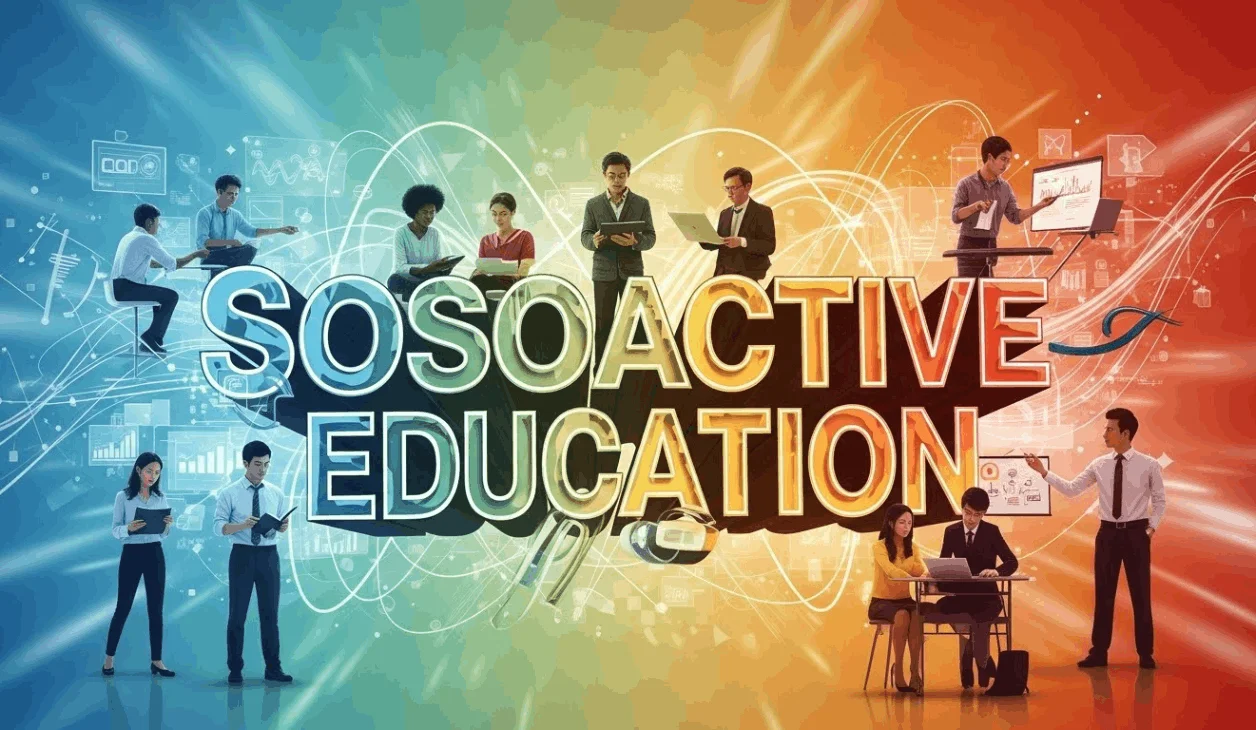
Sosoactive Education: Revolutionizing Modern Learning
In the ever-evolving landscape of education, traditional methods often struggle to keep pace with the needs of today’s learners. Students and professionals alike are seeking more engaging, flexible, and effective ways to acquire knowledge. This shift has led to the rise of innovative learning models that focus on interaction, personalization, and practical application. Among these approaches, sosoactive education has emerged as a standout method, bridging the gap between conventional teaching and the demands of the modern world.
Understanding the Concept
At its heart, sosoactive education is an approach that emphasizes active participation rather than passive learning. Instead of simply listening to lectures or memorizing information, learners are encouraged to engage with the material through discussions, projects, and interactive digital tools. This participatory model helps students develop critical thinking, problem-solving, and collaboration skills—all essential traits for success in today’s competitive environment.
Unlike traditional education, which often focuses on standardized tests and rote learning, sosoactive methods prioritize understanding and applying knowledge in practical scenarios. This creates a learning experience that is both meaningful and memorable.
Core Features of Modern Learning
Several key elements distinguish innovative learning models like sosoactive education:
- Interactive Platforms
Technology plays a crucial role in modern learning. Platforms offering videos, quizzes, discussion forums, and live sessions help students remain engaged. These tools also allow instructors to tailor lessons to individual learners’ needs, creating a more personalized educational experience. - Collaborative Projects
Working in teams is a central component of contemporary learning strategies. Group assignments, collaborative research, and peer-to-peer activities cultivate communication, leadership, and teamwork skills, preparing learners for real-world challenges. - Gamified Learning
Elements of gamification, such as badges, rewards, and interactive challenges, can make education more enjoyable and motivating. By integrating fun and competition into learning, students are more likely to stay committed and retain information effectively. - Continuous Assessment
Rather than relying solely on periodic exams, modern educational methods provide ongoing evaluation and feedback. This helps learners identify areas for improvement promptly and adjust their approach to achieve better results. - Flexible Learning Paths
Personalized learning is another hallmark of progressive education. By allowing learners to progress at their own pace and explore areas of interest, educational programs become more engaging and reduce the risk of frustration or burnout.
The Importance of Engaging Learning
Education today is about more than memorizing facts; it is about equipping learners with skills that are practical and future-ready. Interactive learning models enhance retention, boost confidence, and foster a deeper understanding of subjects. Additionally, such methods help learners adapt to changing technologies and professional landscapes, making them more versatile and capable in their careers.
Remote learning trends have further emphasized the need for engaging educational strategies. Digital platforms enable students to access resources from anywhere, making learning more accessible and inclusive. As a result, learners from diverse backgrounds can benefit from high-quality education without being restricted by geography.
Implementing Modern Learning Strategies
Schools, universities, and organizations looking to enhance their teaching methods can benefit greatly from adopting interactive and participatory approaches. Key steps include:
- Investing in Technology: High-quality tools and platforms are essential for creating interactive lessons.
- Educator Training: Teachers and instructors should be skilled in using modern educational techniques and digital resources.
- Personalized Learning Plans: Tailoring education to individual strengths, weaknesses, and interests helps maximize engagement.
- Encouraging Collaboration: Group activities and discussions cultivate essential interpersonal and problem-solving skills.
- Monitoring Progress: Continuous feedback ensures that learners stay on track and achieve their learning goals.By combining these strategies, institutions can create a dynamic and effective learning environment that prepares students for success.
Future Prospects
The future of education lies in approaches that prioritize engagement, interactivity, and adaptability. Emerging technologies like artificial intelligence, virtual reality, and augmented reality are expected to further enhance learning experiences. AI-powered tools can provide personalized insights into learner performance, enabling more effective and targeted instruction.
Moreover, lifelong learning and professional development programs are increasingly incorporating interactive methods to keep skills relevant in rapidly changing industries. Learners of all ages now have the opportunity to acquire knowledge continuously, ensuring they remain competitive in their fields.
Conclusion
In summary, modern learning strategies like sosoactive education are transforming how knowledge is delivered and absorbed. By emphasizing participation, collaboration, and personalized learning, these methods equip learners with the skills they need to succeed academically and professionally.
As education continues to evolve, interactive and adaptive models will play a central role in shaping capable, confident, and future-ready individuals. By embracing these approaches, students, educators, and organizations can ensure that learning is not only effective but also enjoyable and meaningful.
Whether in classrooms, remote settings, or professional training programs, the principles of modern interactive education provide a roadmap for better learning outcomes and lasting success.