185.63.253.2001: Common Misconceptions and Technical Facts
In today’s digital environment, unusual numeric strings often catch attention, especially when they resemble internet addresses. One such example is 185.63.253.2001, which appears frequently in search queries, server logs, or technical discussions. At first glance, it may look like a standard IP address. However, a closer look reveals that there is more to understand. This article explains what this address represents, why people encounter it, and how it may relate to networking, cybersecurity, and system diagnostics.
What Is 185.63.253.2001?
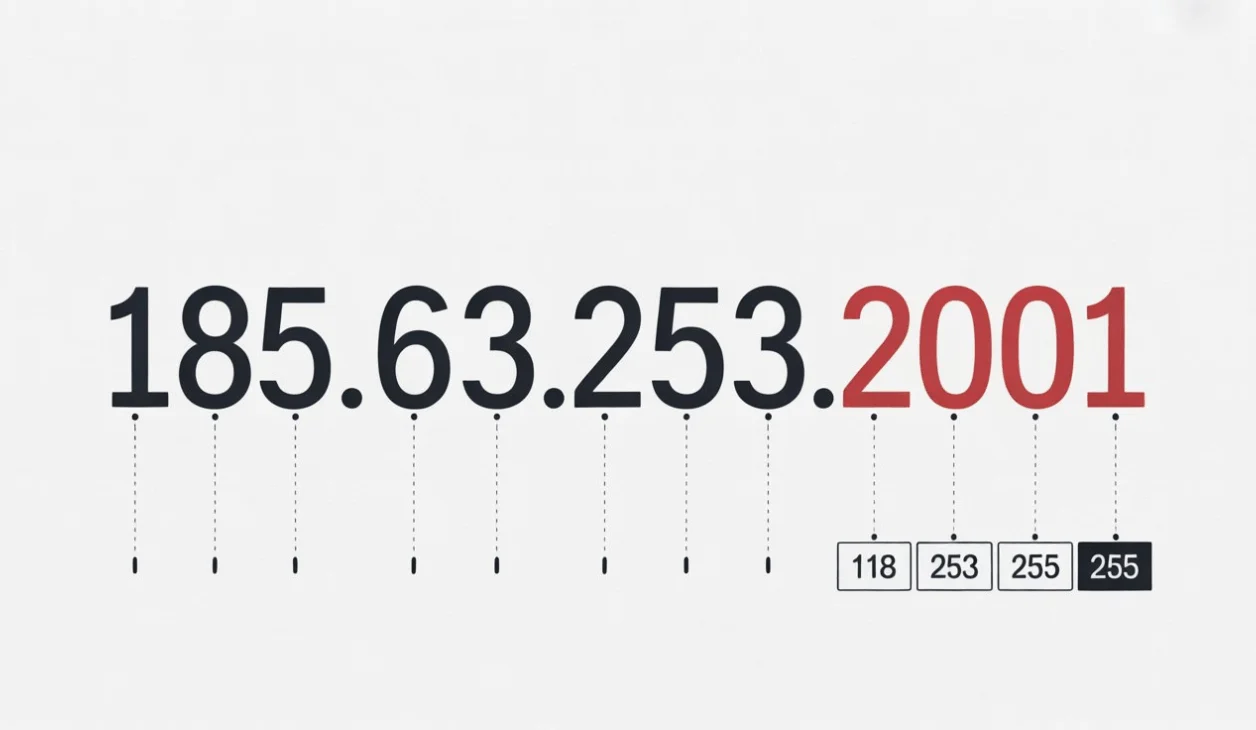
To understand 185.63.253.2001, it helps to first know how IP addresses work. A traditional IPv4 address consists of four numerical segments separated by dots. Each segment ranges from 0 to 255. While the first three segments in this string appear valid, the final segment exceeds the allowed range.
As a result, this string does not qualify as a valid IPv4 address. Nonetheless, that does not mean it is meaningless. Instead, it may appear due to formatting errors, logging issues, automated scripts, or even malicious scanning activity.
Why Does This Address Appear Online?
There are several common reasons why users or administrators might encounter 185.63.253.2001. First, it can originate from a simple typo or system misconfiguration. For example, an extra digit may be appended during data entry or automated processing.
Secondly, it may appear in server access logs when a system incorrectly parses incoming requests. In such cases, the address does not represent a real client but rather a malformed input.
Additionally, some cybersecurity tools intentionally use invalid addresses during testing. These addresses help developers identify how systems respond to unexpected or incorrect network data.
Relationship to Network Logs and Monitoring
Server logs often record every connection attempt, whether valid or not. Consequently, 185.63.253.2001 may show up during routine monitoring. Although it is not a legitimate IP address, its presence can still signal something important.
For instance, repeated occurrences may indicate automated bots probing a server. On the other hand, a single instance could simply be a harmless error. Therefore, context matters greatly when analyzing such entries.
Moreover, network administrators often filter or flag malformed addresses. Doing so improves log clarity and helps teams focus on real threats instead of noise.
Security Implications to Consider
From a security perspective, unusual addresses should never be ignored completely. While 185.63.253.2001 itself is invalid, it can still be associated with suspicious behavior.
For example, attackers sometimes manipulate request headers to bypass basic filters. If a system fails to validate input correctly, malformed addresses could expose vulnerabilities. Therefore, detecting and reviewing such entries contributes to stronger defense strategies.
That said, it is equally important not to overreact. Invalid addresses are common on the internet, and most pose no direct risk when proper safeguards are in place.
How Systems Typically Handle Invalid IP Addresses
Modern servers and applications are designed to validate incoming data. When encountering an address like 185.63.253.2001, most systems will either reject it or log it as an error.
However, older or poorly configured systems may behave differently. In rare cases, improper handling can lead to performance issues or incorrect analytics data. As a result, regular software updates and configuration reviews are essential.
Furthermore, developers often implement validation rules to ensure numeric ranges are respected. This simple step significantly reduces potential problems caused by malformed inputs.
Common Misunderstandings About Numeric Addresses
Many users assume that any dotted numeric string represents a real IP address. This assumption leads to confusion when encountering entries such as 185.63.253.2001.
In reality, not all numeric patterns correspond to actual network locations. Some may be placeholders, test values, or even randomly generated strings. Understanding this distinction helps avoid unnecessary concern and improves technical literacy.
Additionally, some people confuse IPv4 with IPv6. While IPv6 uses a completely different format, mixing concepts can lead to incorrect conclusions about address validity.
Best Practices for Handling Such Entries
If you encounter 185.63.253.2001 in logs or reports, there are a few best practices to follow:
First, review the frequency. Repeated appearances may warrant closer inspection. Next, check associated request details, such as timestamps and user agents. This information often provides valuable context.
Finally, ensure that your systems are configured to validate and sanitize inputs properly. Doing so minimizes risks and improves overall stability.
By following these steps, you can manage unusual entries effectively without wasting time or resources.
Final Thoughts
Although 185.63.253.2001 may initially look like a legitimate IP address, it does not conform to standard addressing rules. Still, its presence can be informative, especially when analyzed correctly. Whether it appears due to logging errors, automated scans, or testing tools, understanding its nature helps administrators and users alike.
Ultimately, awareness and proper system configuration are key. By recognizing what such addresses represent and how to respond, you ca