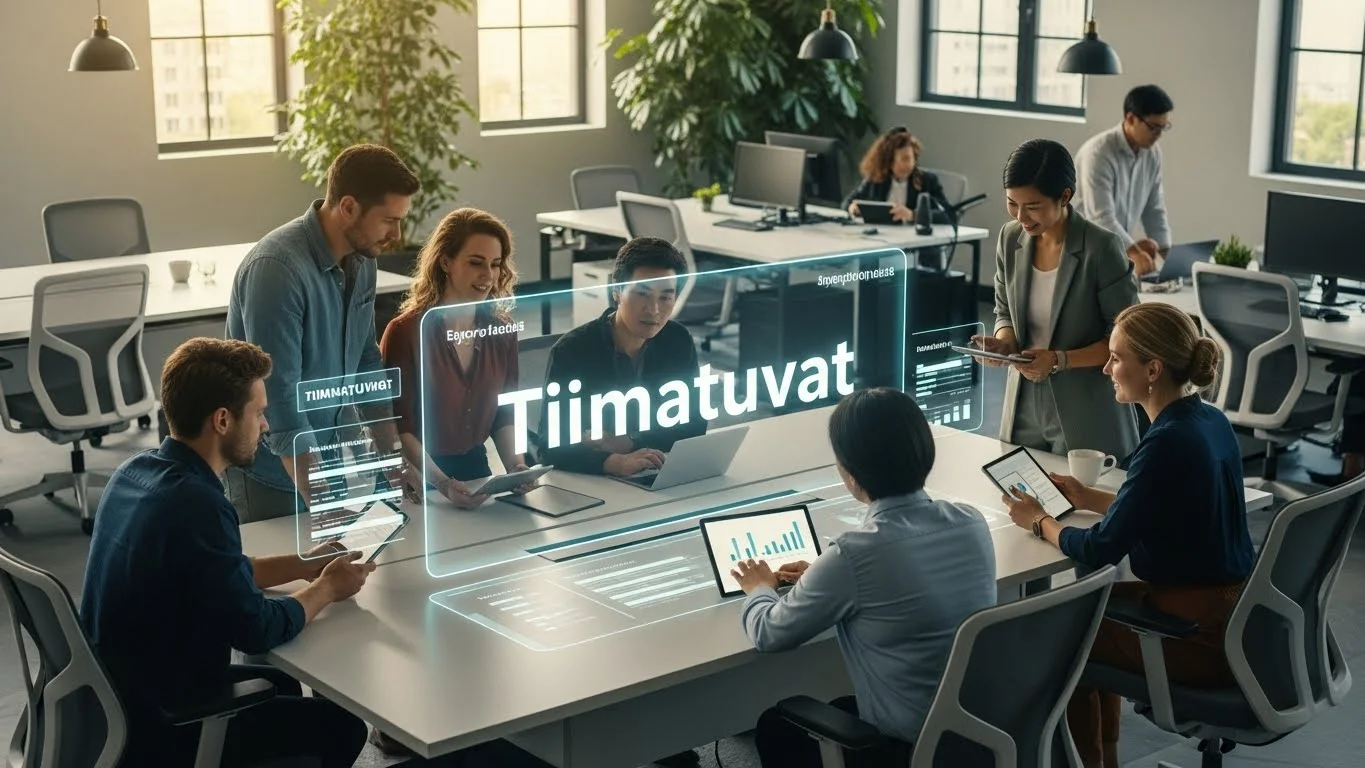
Tiimatuvat: A Modern Approach to Smarter Digital Collaboration
In today’s fast-paced digital environment, effective collaboration is no longer optional—it is essential. Teams across industries are constantly searching for tools and systems that help them communicate better, stay organized, and achieve shared goals. This is where tiimatuvat emerges as a modern concept that reflects the evolving nature of teamwork in the digital age. Although the term may sound new, its underlying purpose aligns perfectly with today’s demand for efficiency, flexibility, and clarity.
Understanding the Concept of Tiimatuvat
At its core, tiimatuvat represents a structured yet flexible approach to teamwork. Instead of relying on scattered communication channels and disconnected workflows, this concept emphasizes unified collaboration. In other words, it encourages teams to work within a shared framework where ideas, tasks, and progress are visible to everyone involved.
Moreover, tiimatuvat focuses on transparency. When team members can clearly see who is responsible for what, misunderstandings are reduced. As a result, productivity improves naturally without the need for constant supervision or follow-ups.
Why Modern Teams Need Better Collaboration Systems
As businesses grow, collaboration often becomes more complex. Remote work, cross-functional teams, and global operations have changed how people work together. Consequently, traditional methods like endless email threads or unstructured meetings are no longer sufficient.
This is precisely why solutions inspired by tiimatuvat are gaining attention. They help teams streamline communication while maintaining accountability. Additionally, they create an environment where every member feels involved and informed, which is critical for long-term success.
Key Benefits of Tiimatuvat for Teams
One of the strongest advantages of tiimatuvat is improved alignment. When everyone understands the team’s objectives, progress becomes more consistent. Furthermore, alignment reduces duplicated efforts, saving both time and resources.
Another benefit is adaptability. Since modern projects often change direction, teams need systems that can evolve quickly. Tiimatuvat supports flexible workflows, allowing teams to adjust plans without disrupting overall progress. As a result, organizations can respond faster to market changes.
In addition, this approach promotes collaboration over competition. Instead of individuals working in isolation, team members contribute collectively. Consequently, creativity increases, and better solutions emerge.
Enhancing Communication Through Structured Collaboration
Communication is the backbone of any successful team. However, too much communication can be just as harmful as too little. Tiimatuvat addresses this challenge by encouraging purposeful interaction. Rather than overwhelming team members with unnecessary updates, it emphasizes clarity and relevance.
For example, structured collaboration helps teams focus on priorities. Therefore, discussions remain productive, and decision-making becomes faster. Over time, this leads to a healthier work culture where communication supports progress instead of slowing it down.
Tiimatuvat in Remote and Hybrid Work Environments
Remote and hybrid work models have become increasingly common. While they offer flexibility, they also introduce challenges such as isolation and miscommunication. Fortunately, tiimatuvat fits naturally into these environments.
By creating a shared digital space, teams can collaborate regardless of location. Moreover, remote workers feel more connected because they can easily track progress and contribute ideas. As a result, engagement levels remain high even when teams are geographically distributed.
Improving Productivity Without Micromanagement
One common issue in team management is micromanagement. While it may seem helpful, it often leads to frustration and reduced motivation. Tiimatuvat offers an alternative by emphasizing trust and visibility instead of control.
When tasks and goals are clearly defined, managers can focus on strategy rather than daily oversight. Meanwhile, team members gain autonomy, which boosts confidence and efficiency. Consequently, productivity increases organically rather than through pressure.
Long-Term Impact on Team Culture
Beyond immediate productivity gains, tiimatuvat has a lasting impact on team culture. It encourages openness, accountability, and mutual respect. Over time, these values become ingrained in how teams operate.
Additionally, a strong collaborative culture attracts talent. Professionals prefer environments where teamwork is valued and contributions are recognized. Therefore, adopting a tiimatuvat-inspired approach can also support recruitment and retention efforts.
Practical Steps to Embrace Tiimatuvat
Implementing this concept does not require drastic changes overnight. Instead, teams can start small. First, identify existing collaboration gaps. Next, introduce clear structures for communication and task management. Gradually, encourage team members to adopt shared practices.
Equally important is feedback. Regularly reviewing what works and what doesn’t helps refine the system. As a result, tiimatuvat becomes a living framework that evolves alongside the team.
The Future of Collaborative Work
Looking ahead, collaboration will continue to shape how organizations succeed. As technology advances, the principles behind tiimatuvat will become even more relevant. Teams that prioritize clarity, flexibility, and shared responsibility will have a competitive advantage.
In conclusion, tiimatuvat represents more than just a concept—it reflects a mindset. By focusing on structured collaboration and transparent workflows, teams can work smarter, not harder. Ultimately, embracing this approach prepares organizations for a future where teamwork is the key driver of innovation and success.